 Allentown PA
Allentown, PA and the Lehigh Valley
Commercial Plumbers for Restaurants, Retail and Multifamily
Commercial plumbing is not residential plumbing with bigger pipes. Buildings have more fixtures, shared lines, grease, higher demand and rules that apply to larger work. Call the dispatch line, describe the property and the problem, and a licensed and insured plumber can tell you what is possible for this building.
- Licensed and insured plumbers
- Same-day service when available
- 24/7 emergency dispatch
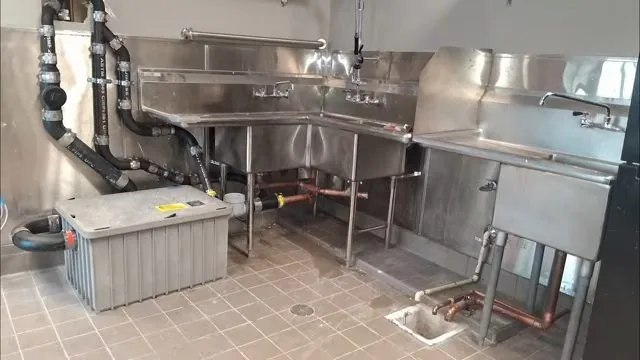
Restaurants and commercial kitchens: grease traps, drains and fixtures
Kitchens put heavy loads on drains. Grease builds up in lines and in grease traps, and when it hardens it blocks flow and can back up into the dining area. A grease trap needs regular cleaning, and its schedule depends on volume and the rules that apply to your site. Floor drains, prep sinks, dish machines and hand sinks each need to drain freely for the kitchen to open on time.
Drain cleaning for commercial kitchens uses cables and jetting to clear the lines, and a camera shows what is left. For the methods, see the drain cleaning page. Kitchen exhaust cleaning is a separate trade from drain cleaning. Ask who keeps the trap log, since an inspector or a landlord may want to see dates and volumes.
Maintenance contracts and scheduled service
A maintenance contract sets regular visits to check the water heater, test valves, clear drains and look for leaks before they become emergencies. It suits properties that cannot afford surprise downtime. A contract should state how often the plumber visits, how fast the plumber responds and what is included.
- Visits: how often and what is checked
- Response: how quickly a call is answered
- Scope: which systems are covered and which are not
- Records: written reports after each visit
Ask for the terms in writing. A contract is a business decision, and it should be compared with calling as needed. For one-off issues, a service call is the simpler option.
Restaurant drain backing up or a restroom out of service? Call and describe the property.
Business plumbing problem? Call now
Describe the building, the fixture and how many people are affected. The dispatcher tells you what is available for your address.
Multifamily, retail and light industrial properties
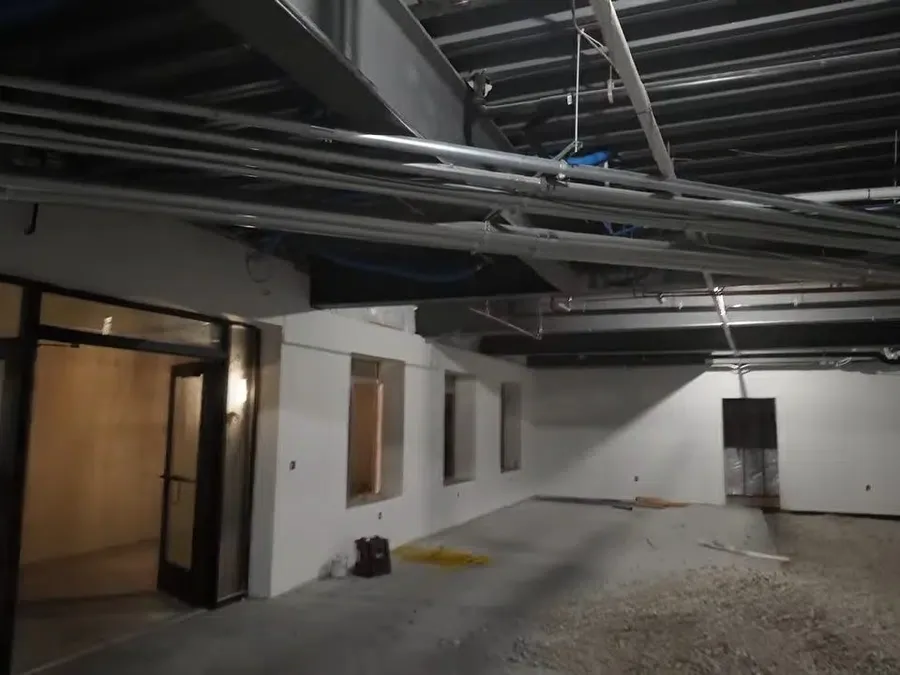
Apartment buildings share risers, drains and water heaters among many tenants, so a failure affects more than one unit. Retail and office space may have a few restrooms and a break room, while light industrial and cold storage buildings add floor drains, process lines and large water heaters. A plumber looks at the property type first because the equipment and the access differ.
Whitehall Township has a large commercial presence: the school district describes land use there as about forty percent commercial, and the Lehigh Valley Mall and the MacArthur Road corridor are nearby. The evidence for a wider commercial market is thin, so this page describes the service without making claims about volume.
Source: Whitehall-Coplay School District, community overview; Whitehall Township.
Repairs, drains, leaks and water heaters for commercial buildings
Commercial repairs include burst pipes, slab leaks, sewer problems and failed water heaters. Large buildings may have a commercial water heater, and sizing differs from residential equipment. Leak detection helps in buildings where a leak could be inside a wall or under a floor. The residential pages describe the methods in detail, including the leak detection page and the water heater repair page.
Emergency calls matter more when a business is losing customers. A burst pipe in a closed shop can flood several units before morning. Close the main valve if you can reach it and call the dispatch line.
Large water heaters need a pressure relief valve and a drain, and a failed valve can flood a mechanical room. Know where the shutoff for each system sits before the day you need it.
What to tell the dispatcher about your property
A commercial call goes faster with a few facts. Say what kind of business it is, how many fixtures or tenants are affected, and whether the building can stay open. A restaurant with one blocked prep sink is a different job from a multifamily building with no hot water in six units. The dispatcher uses those details to judge what can be sent and how soon. Mention any equipment, such as a commercial water heater or a backflow device, because it changes the parts and the time a visit needs.
- The type of property and the street address
- Which fixture, line or unit is affected
- Whether water is spreading or the main is off
- Who can give access: owner, manager or tenant
- Any permit or landlord rule the work may trigger
Restroom or kitchen closed by a plumbing fault?
Call now and say how many people are affected. Early morning and after-hours help are offered when available.
Permits and rules for larger work
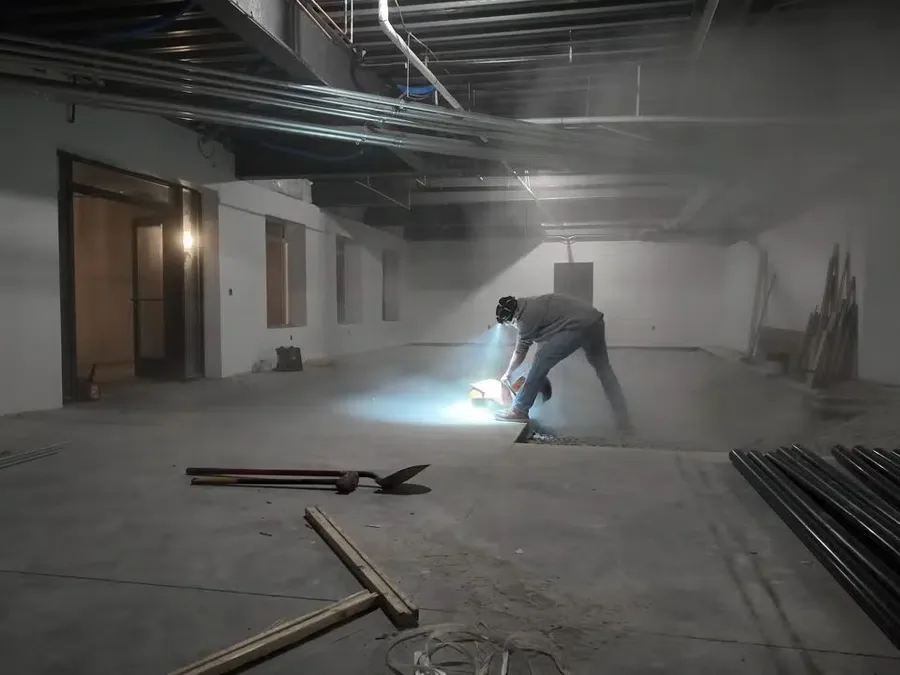
Larger commercial plumbing work usually needs a permit and an inspection. In Allentown, plumbing permit applications go through a licensed master plumber at the Bureau of Building Standards and Safety. Other municipalities in the area have their own offices, so the permit depends on where the property sits.
Ask the plumber which permits apply and who files them. For jobs that involve digging, call 811 first. Commercial buildings may also have landlord rules, so confirm what the lease says about plumbing work. Tenants should also ask the property manager who pays for repairs to shared lines.
Inspections are scheduled with the municipality once the work is ready. Leave pipes uncovered until the inspector has seen them, since closing a wall early can mean opening it again.
After-hours and emergency commercial calls
A plumbing failure in a business rarely happens at a convenient time. A burst line on a Friday night can flood a shop by Monday, and a backed-up floor drain can close a kitchen before the lunch rush. Dispatch picks up at any hour, so call as soon as you notice the problem and close the main valve if you can reach it.
Say plainly if customers or tenants are affected. The dispatcher checks availability and which plumber can reach the building soonest. After the water is stopped, the repair is planned around your business hours where the work allows it, which often means early starts or evening visits.
Keep a short list handy: the building address, the owner or manager contact and the location of the main shutoff. Posting it near the front desk or in the kitchen office saves minutes when a call has to be made quickly.
Commercial plumbing questions
What kinds of businesses can you serve?
Restaurants, retail shops, offices, apartment and multifamily buildings, light industrial space and similar properties. Describe the building and the problem when you call so the dispatcher can tell you what is available.
How often should a grease trap be cleaned?
The interval depends on volume, the kitchen and the local rules that apply to your property. Ask your municipality or sewer authority whether a schedule is required, and keep records of each cleaning.
Can a plumber work around business hours?
Often yes. After-hours and early morning work is offered when available, because a closed restroom or kitchen costs a business money. Say so on the call.
Does a maintenance contract make sense?
A contract can help a property that depends on drains, water heaters and backflow-sensitive systems, but it should spell out visits, response and what is included. Ask for the terms in writing and compare them to calling as needed.
Need a commercial plumber in Allentown?
Call the dispatch line, describe the property and ask what is available for your address.
- Licensed and insured plumbers
- Same-day service when available
- 24/7 emergency dispatch