 Allentown PA
Allentown, PA and the Lehigh Valley
Emergency Gas Line Repair and Installation in Allentown, PA
A gas line problem forces a decision fast: repair the piping, replace it, or leave it shut off until it can be done properly. If you smell gas, leave first and call from outside. For piping work, call the dispatch line and describe the appliance, the pipe and what you noticed.
- Licensed and insured plumbers
- Same-day service when available
- 24/7 emergency dispatch
Gas line repair: from a smell to a sealed joint
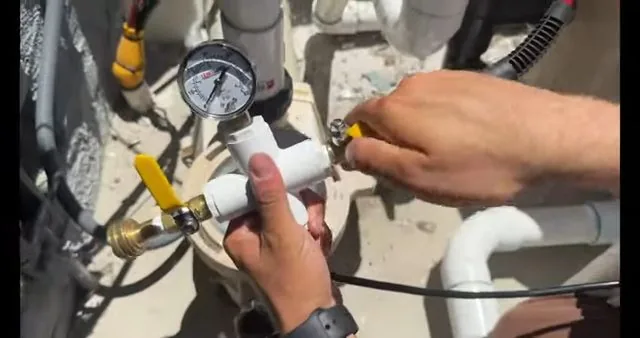
Gas heating repair and gas piping repair start with safety. If you smell gas, the house is cleared and the supply is shut off. Gas leaks come from worn connectors, loose joints, corroded pipe and damaged flexible lines. The plumber finds the leak with a gauge test and leak solution, repairs or replaces the piece and tests again before restoring service.
The gas utility serving this area is UGI Utilities. It handles the main and the meter, while a plumber handles piping after the meter. Knowing which side of the meter holds the problem saves time on the call.
Signs of a gas leak include the rotten-egg odor added to natural gas, a hissing sound at a fitting, dead patches of grass above a buried line and a pilot that keeps going out. A gas smell or suspected leak means the house is cleared first. Leak detection on fixtures and gas appliances is done with a gauge and a bubble solution once the supply is made safe.
Black iron, CSST and replacing old gas pipe
Gas piping in older houses is often black iron, which is strong but can corrode at fittings. Flexible CSST tubing is used in newer work and is quick to run, but it needs correct bonding and protection. Pipe replacement of either kind comes down to condition, routing and code.
Much of the Allentown housing stock predates modern building practice, and older houses tend to carry older gas piping. That is a reason to have the piping inspected before a new appliance is added to it, and to ask what the existing runs are made of.
| Piping | Where it is found | Typical concern |
|---|---|---|
| Black iron | Older homes, many main runs | Corrosion at joints, loose fittings |
| CSST | Newer or retrofitted runs | Bonding, damage from fasteners or nails |
| Flexible appliance connector | Between shutoff and appliance | Age, kinks and wear |
Inspection and pressure testing of existing piping is a sensible step before work begins and again afterward.
Hissing at a fitting or a gas smell near an appliance? Leave, report it to 911 and UGI, then phone the plumber from the yard.
Gas smell or leak? Leave, then call
Call 911 and UGI first. Then call the dispatch line from outside so a plumber can follow up on the piping.
Gas line installation for appliances and new construction
A gas line installation adds a new run for a range, dryer, fireplace, grill, generator or water heater. The plumber calculates the load, chooses the pipe size, runs the line, installs a shutoff at the appliance and tests the joints. Permit filing for this kind of work is handled by a licensed master plumber in Allentown, and an inspection may follow, so ask who arranges both.
UGI states that natural gas is available within 150 feet of a main for qualifying conversions. If your house does not have gas now, ask the utility whether your address qualifies. Propane systems follow different supplier rules, so mention propane when you call.
References: UGI Utilities service territory page; Allentown permit office.
Inspection and pressure testing before and after gas work
Any gas job that adds or changes piping ends with a test. The plumber closes off the section, raises the pressure to a set level, watches the gauge for a drop and coats the joints with leak solution. A line that holds pressure and shows no bubbles passes. Where the work needs an inspection, the inspector may repeat the test, so leave the piping uncovered until it is done.
An inspection also helps before a purchase or a renovation. A plumber can look at the meter setting, the shutoff, the visible piping and the appliance connectors, and flag anything worn. Knowing the condition of old black iron before walls are closed is far easier than finding a problem afterward. Appliance hookups, including range, dryer, fireplace, grill and generator lines, are covered in the next section.
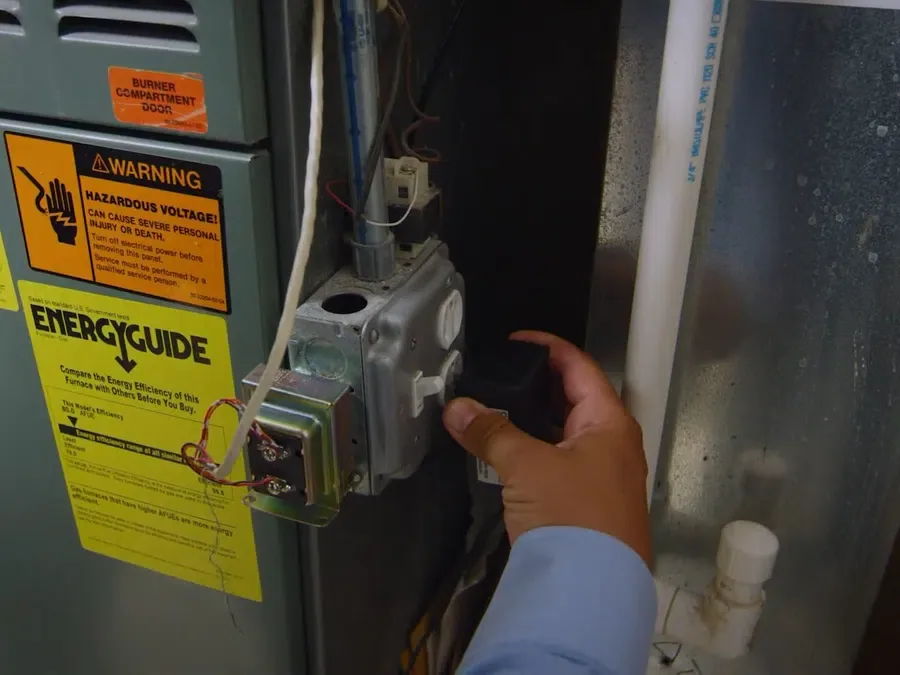
Hooking up appliances safely
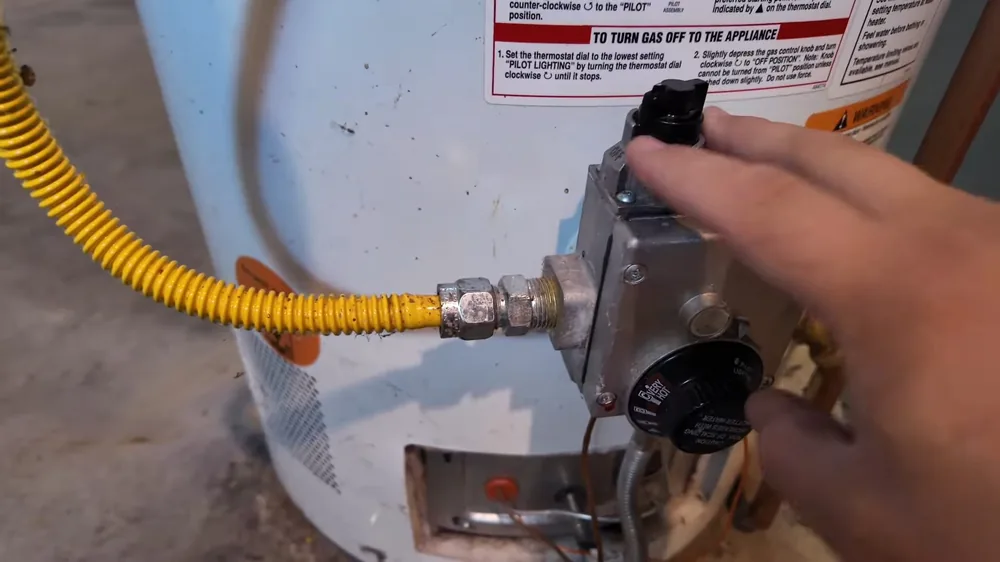
A gas appliance hookup is a small job with big consequences if done carelessly. The connector must be the right type and length, the shutoff must be within reach, and the joint must be tested. Ranges and dryers need flexible connectors rated for the appliance, and outdoor grills and generators need weatherproof fittings and a clear route.
- Confirm the pipe size supports the new appliance
- Fit a shutoff valve within reach of the appliance
- Test every joint after the connection
- Keep the area around the appliance clear of storage
- Install carbon monoxide alarms where fuel-burning appliances are present
If the appliance is a water heater, see the water heater installation page for the rest of the job.
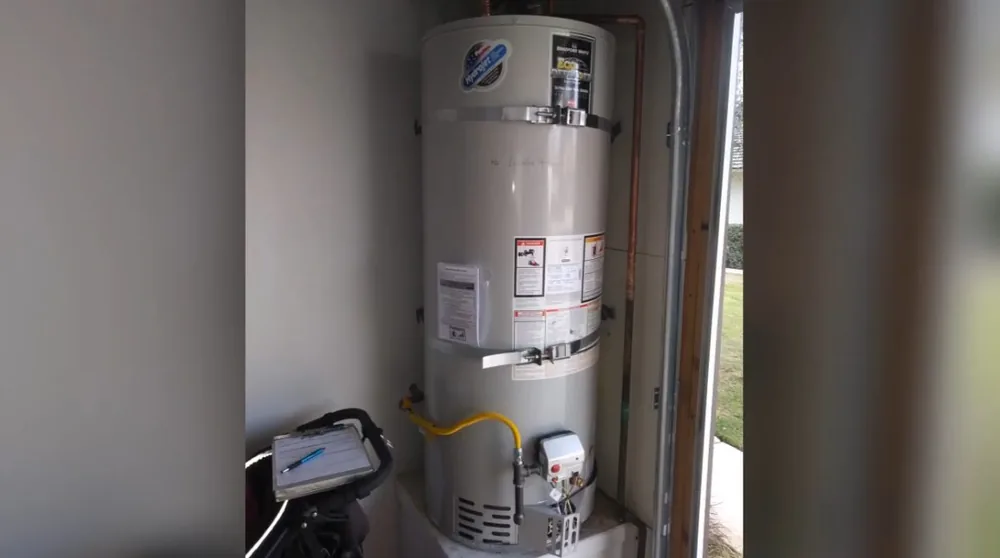
Adding a gas appliance? Call and ask
Describe the appliance and where it will sit. The plumber can say what pipe size, shutoff and permit steps apply.
Gas line questions
What should I do if I smell gas?
Leave the building at once, without using switches, phones or anything that could spark. From outside, call 911 and UGI, then call the plumber. Do not go back in until the utility says it is safe.
Who does what: the gas utility or the plumber?
UGI Utilities handles the main and the meter. A plumber works on the piping inside the house and from the meter to appliances. A leak at the meter or on the utility side is the utility's job, and a leak after the meter is generally the plumber's.
How is a new gas line tested?
After installation, the piping is pressure tested and joints are checked for leaks, usually with a gauge and a leak detection solution. The plumber also confirms the line is sized for the appliance. Ask whether an inspection is required.
What appliances can be connected to a new gas line?
Ranges, dryers, fireplaces, grills, generators and water heaters are common. Each needs the right pipe size, shutoff and connector. The plumber calculates the load before running pipe.
Need gas line work in Allentown?
Call the dispatch line, describe the appliance and the problem and ask what is available for your address.
- Licensed and insured plumbers
- Same-day service when available
- 24/7 emergency dispatch