 Allentown PA
Allentown, PA and the Lehigh Valley
Emergency Water Damage Removal and Drying in Allentown
The first thing most people notice is a damp spot on the carpet, a ceiling stain that is spreading or a basement floor with an inch of water. Water damage gets worse with every hour, so the early job is to stop the source and start drying. Call the water damage line and describe what you see.
- Licensed and insured plumbers
- Same-day service when available
- 24/7 emergency dispatch
Do I need mold testing, inspection and assessment after water damage?
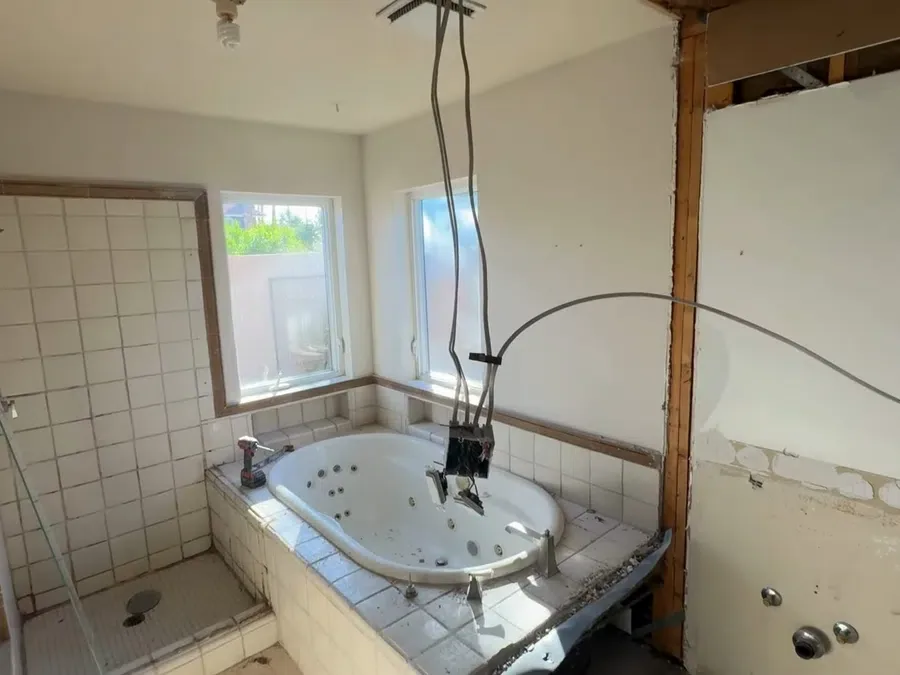
Mold is the second problem after water. When walls, carpet and subfloors stay wet, mold can grow in them without any visible sign for a while. A musty smell, discolored drywall or bubbling paint are common clues. Mold testing and inspection usually begin with a moisture check of the affected areas, followed by an assessment of what is wet, what is dry and what may need to come out.
Testing is most useful when you suspect mold but cannot see it. An inspection tells you where moisture is trapped, and the drying plan follows from that. No state or county mold rule specific to Allentown was identified for this page, so ask the contractor what standard the work follows.
Write down where the moisture readings were taken and keep the numbers. Repeat readings a few days later show whether the area is drying or still holding water, which tells you whether the job is finished.
What happens on a water damage job?
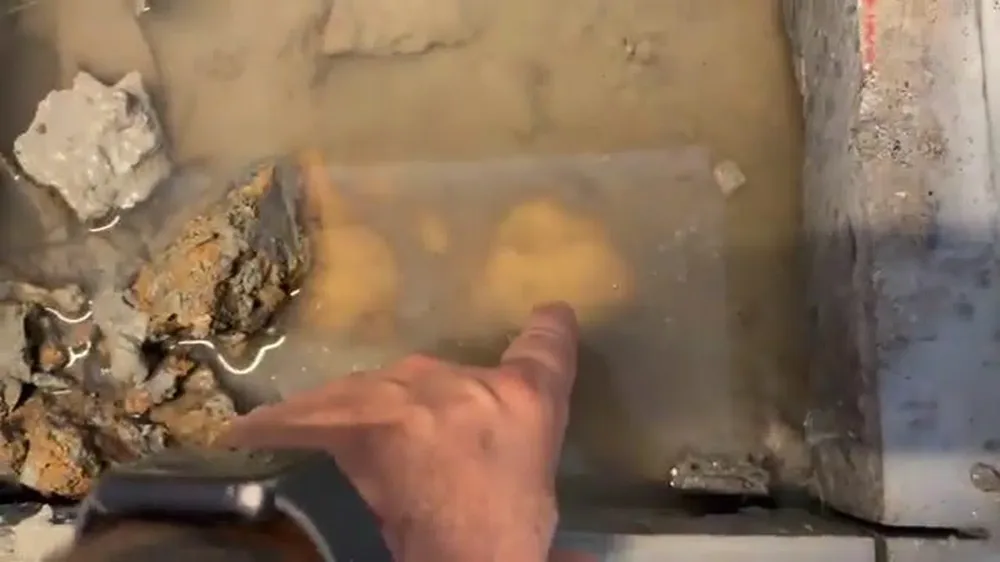
A typical job runs in stages. First the source is stopped, and standing water is pulled out. Then wet materials that cannot be saved, such as saturated carpet pad or soaked drywall, are removed. Air movers and dehumidifiers dry the structure, and moisture readings are taken each day until the materials return to normal levels.
- Stop the water source and make the area safe.
- Extract standing water with pumps and wet vacuums.
- Remove materials that cannot be dried in place.
- Place air movers and dehumidifiers and take moisture readings.
- Confirm dry readings before the equipment is removed.
This process ends at dry. Rebuilding drywall, flooring, paint and trim is a separate trade. Smoke and soot cleanup is also a different trade and is not part of this service.
Water on the floor and rising? Call the water damage line and say what the source is.
Water damage in your home? Call now
Describe the source and how much water there is. The dispatcher tells you what is available for your address.
Damage assessment and major loss inspection
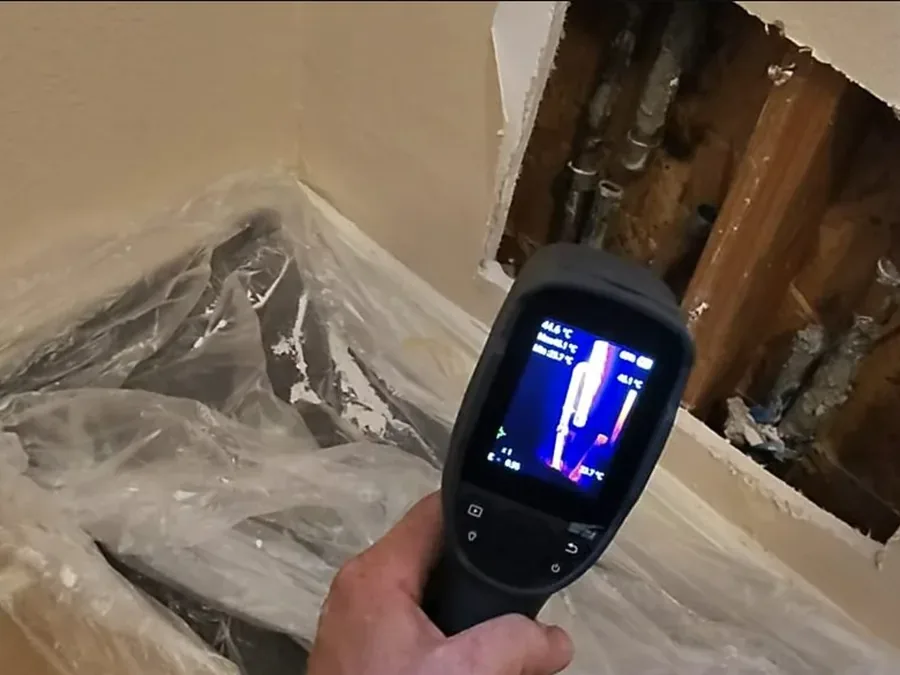
An assessment decides what is wet and how far it has spread. The technician checks floors, walls, ceilings and cabinets with a moisture meter and, where useful, a thermal camera that shows wet areas by temperature. Water travels under flooring and inside wall cavities, so a dry-looking surface can hide a wet one.
For large losses, the assessment lists the rooms affected, the materials and the equipment needed. Photographs and readings document the condition for your insurer. Flooring and carpet damage is judged by how long the material was wet and whether it was clean water or sewage. Carpet may be dried in place if caught early, while pad is usually replaced.
Ask for a written scope that lists each room, the materials to be removed and the number of drying days expected. A written scope makes it easier to compare what was done with what was promised.
Sewage backup cleanup
Sewage backups carry bacteria and are handled differently from clean water. Porous materials that touched sewage, such as carpet, pad and drywall, are usually removed. Hard surfaces are cleaned and disinfected, and the area is dried. Children and pets should stay out until the work is done. Anyone who must enter needs waterproof boots and gloves.
The cause of the backup matters too. A blocked main line needs plumbing work, which is covered on the sewer line repair and replacement page. Cleanup and drying of the affected rooms is the water damage side. Both may be needed on the same job.
Burst pipe and plumbing leak damage: what gets wet and how fast
A burst pipe can release a large amount of water in minutes. Freeze splits are common in cold snaps, and a supply line can run for hours before anyone notices. The first step is closing the main valve. The second is reporting the loss and starting extraction and drying. The pipe itself is repaired by a plumber, as described on the pipe repair details.
Leaks that do not come from plumbing also cause damage. Roof leaks, air conditioner condensate lines and irrigation lines can all wet ceilings and walls. The contractor dries the structure, and the source is repaired by the right trade. Hidden plumbing leaks are found with the methods on the leak detection repair overview page.
When a pipe lets go, shut the main valve, then open a faucet at the lowest level to drain the line. If water is near an outlet or a panel, stay away and shut power off only if the panel is dry and you can reach it safely.
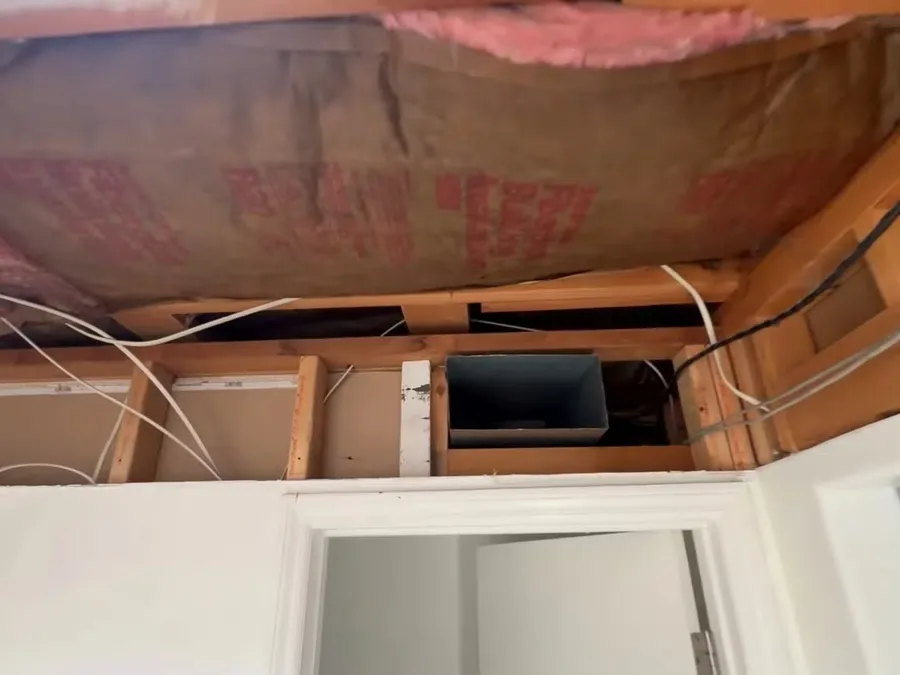
Basement flooding or a burst pipe? Call now
Close the main valve for a plumbing leak, then call the water damage line. Photograph the water before you move anything.
Flooded basements, crawl spaces and whole-house flooding
Basement flooding is a recurring problem in the Lehigh Valley. Remnants of Hurricane Ida flooded much of the valley on September 1 and 2, 2021, according to local news coverage by WFMZ. In August 2020 the Little Lehigh Creek hit a record crest during Tropical Storm Isaias, the Morning Call reported. Basements also flooded in December 2020.
Storm, river and rain flooding is different from a plumbing failure. Water from the ground can carry silt and contaminants, and it often enters through the floor, wall or window wells. A sump pump failure is a plumbing problem covered on the drain service page. Basement waterproofing and foundation inspection are separate trades.
In a flooded home, safety comes first. Do not enter standing water if electrical outlets or appliances may be live. Condo, apartment and commercial properties follow the same process, but access and building rules may add steps.
Water extraction and basement water removal
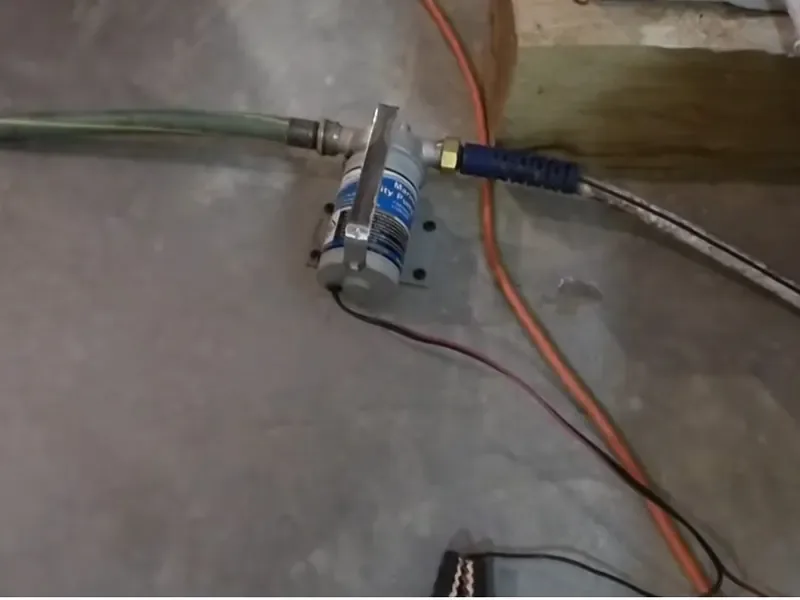
Extraction removes standing water as quickly as possible. Pumps handle deeper water, and wet vacuums handle the rest. Carpeted floors may need a weighted extraction tool to pull water from the pad. Removing water fast limits how far it wicks into drywall and framing.
Once the water is out, drying equipment takes over. Air movers push dry air across wet surfaces, and dehumidifiers pull moisture from the air. Readings are recorded each day, and the equipment stays until the structure is dry. Flooring and carpet are dried in place where possible or removed when they cannot be saved.
Basements in older Allentown homes often have a floor drain and a sump pit, and both affect how water is removed. Tell the contractor where they are, and where the electrical panel sits, before equipment is set up.
Mold removal: when drying was too late
When materials stay wet too long, mold can take hold. Mold removal takes out the affected material, cleans nearby surfaces and dries the area. Small patches on hard surfaces can be cleaned, while mold in drywall or insulation usually means those materials are removed. The goal is to remove the mold and the moisture that fed it.
Fixing the cause matters as much as removal. A leak, a poorly vented room or a sump failure will bring mold back. Reconstruction after removal is a separate trade. Smoke and soot damage from a fire is a different trade as well, and this service does not include it.
Wear a fitted mask and gloves if you must enter a moldy area, and keep children and anyone with breathing problems away. Avoid mixing cleaning products, since some combinations give off harmful fumes.
Water damage questions
What should I do first after water gets into the house?
Stop the source if you can and close the main valve for a plumbing leak. Cut power to wet rooms only when that is safe to do. Move belongings out of the wet zone and photograph everything. Then call the water damage line so drying can start.
How fast does mold start after a leak or flood?
Mold can begin to grow in damp materials quickly, which is why drying starts as early as possible. Materials that stay wet for days are the usual starting point for a mold problem.
Is sewage water different from clean water damage?
Yes. Sewage can carry bacteria, so porous materials that touched it are often removed and surfaces are cleaned and disinfected. Keep people and pets out of the area until it is addressed.
Does this service include rebuilding after the damage?
No. This service is removal and drying: pulling out standing water, wet materials and drying the structure. Rebuilding, drywall, flooring and smoke or soot cleanup are different trades.
What should I tell my insurer?
Report the loss promptly, keep photos and notes of what was wet, and keep receipts. The drying records and the plumber findings can support the claim. Coverage depends on your policy, so ask your insurer directly.
Need water damage help in Allentown?
Call the water damage line, describe the source and ask what is available for your address.
- Licensed and insured plumbers
- Same-day service when available
- 24/7 emergency dispatch