 Allentown PA
Allentown, PA and the Lehigh Valley
Water Heater Repair in Allentown, PA for Gas and Electric Tanks
The shower runs cold, the tank rumbles when it fires, or a puddle has formed at the base. Each of those has a different cause, and most can be fixed in one visit. Call the dispatch line and a licensed and insured plumber who covers your neighborhood will help you decide between a repair and a replacement.
- Licensed and insured plumbers
- Same-day service when available
- 24/7 emergency dispatch
Gas or electric: how gas water heater repair differs
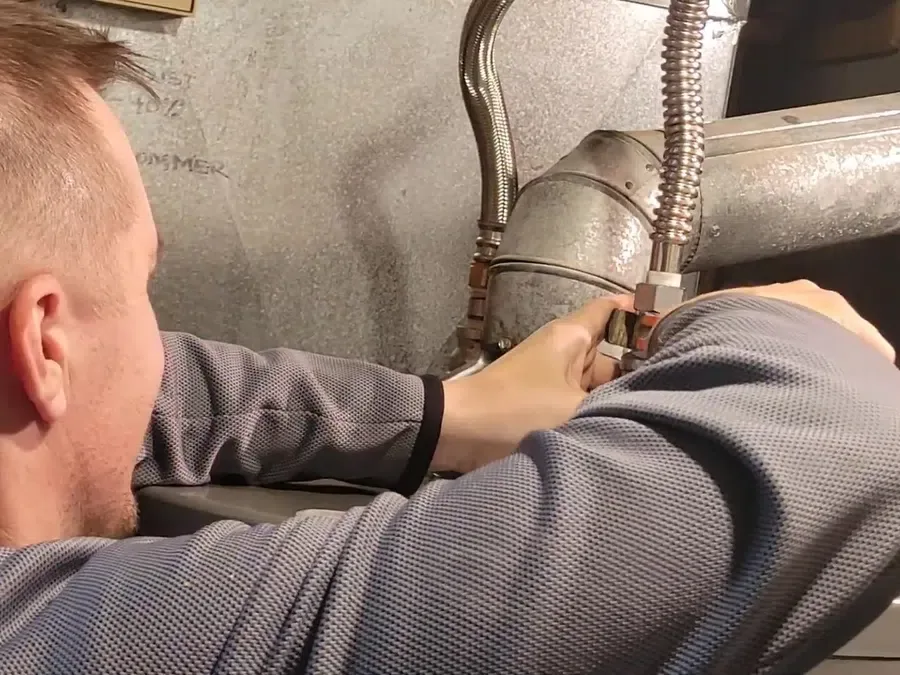
Gas water heater repair and electric water heater repair share a tank but not much else. A gas unit has a burner, a pilot or igniter, a thermocouple or flame sensor, a gas control valve and a vent. An electric unit has heating elements, thermostats and a high-limit switch. The plumber identifies which type you have from the label and the connections before diagnosing the fault.
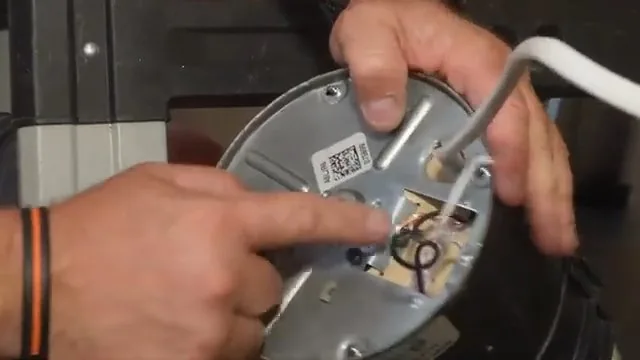
Tank water heater repair for gas units covers pilots that will not stay lit, igniters that fail, sooty burners and vent problems. For electric units it covers dead elements, tripped limit switches and failed thermostats. UGI Utilities supplies natural gas in Allentown, so a gas appliance there connects to a regulated service line. If you smell gas at any time, leave the house first and report it to 911 and UGI from the yard or the street.
No hot water, weak heat or noise: what each symptom means
Most water heater calls start with a symptom, and the symptom narrows the cause. The table lists the common ones, for gas and electric units, and the part that usually fails.
| Symptom | Gas unit | Electric unit |
|---|---|---|
| No hot water at all | Pilot out, bad thermocouple or igniter, gas valve off | Tripped breaker, failed element or high-limit switch |
| Lukewarm water, runs out fast | Burner partly blocked, thermostat set low | One of two elements failed, or thermostat fault |
| Popping or rumbling noise | Sediment hardened on the tank bottom | Sediment on the bottom and around the lower element |
| Water too hot | Thermostat or gas control valve fault | Stuck thermostat |
| Puddle at the base | Leaking fitting, relief valve or the tank | Leaking fitting, relief valve or the tank |
Pilot, igniter and burner faults are specific to gas. Thermostat and element faults belong to electric units. Noise, from sediment, is common to both and often easier to prevent than to fix. If the problem is an urgent leak, see the section below.
No hot water this morning? Call now
Tell the dispatcher whether the unit is gas or electric and what it is doing. Same-day service is offered when available.
Leaking tank or leaking fitting?
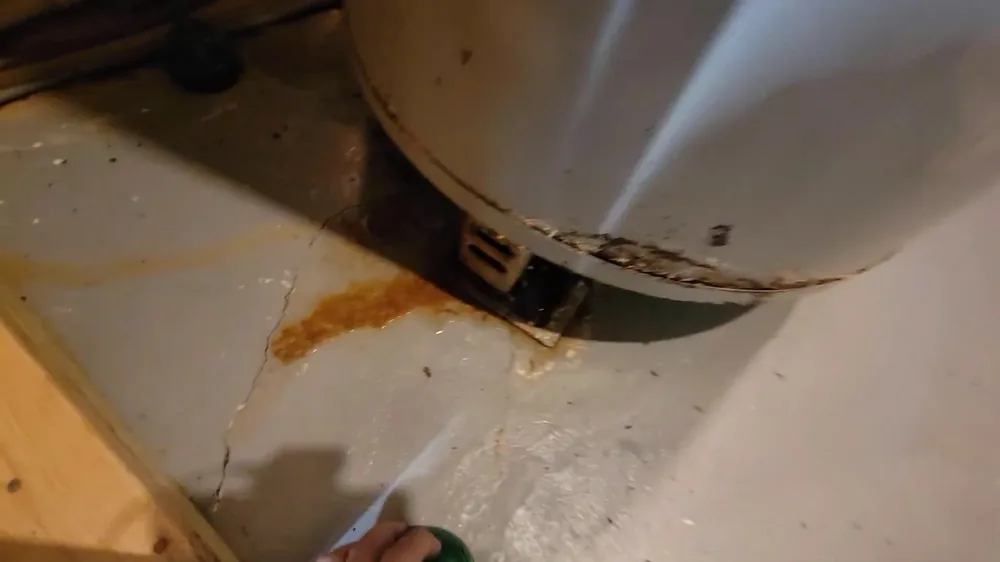
Water around a water heater is not always a dead tank. Many leaks come from the connections: a supply line, a drain valve, a pressure relief valve or the dielectric union at the top. Those can be repaired. A leak from the tank itself, found by tracing water to a seam or the bottom, cannot, and the unit needs replacement.
Close the cold supply valve at the top of the heater and switch off the gas or power. Dry the area and watch where water reappears. A water heater leak that starts at a fitting is a repair, and a tank that is wet under the jacket is a replacement. The plumber confirms which one you have before anything is ordered.
If the heater sits on a finished floor, contain the water at once. For wet flooring, read about water damage removal and drying. The water heater installation guide covers the next step when the tank is gone.
Read the age from the label, count the repairs so far and check that the shutoff valves still close. Then weigh the repair quote against a new tank and its warranty. How pricing works is explained on the cost factors page.
Puddle under the heater? Call before it spreads
Close the cold supply valve if you can reach it, then call. The dispatcher tells you what is available for your address.
Flushing, sediment and keeping a tank water heater working
Sediment collects at the bottom of every tank. It insulates the water from the burner or element, causes popping noises and can shorten tank life. A flush drains the tank through its drain valve and removes loose sediment. Hardened sediment may not come out, and an old drain valve may not reseal, so the plumber checks the valve first.
There is no official local hardness value to quote for the Allentown water system in this page, so ask the plumber what the tank looks like inside when it is drained. Other maintenance includes testing the relief valve, checking the anode rod where accessible, and confirming the discharge pipe runs where it should. Older homes may also have shutoff valves that no longer close, which is worth fixing before the heater is serviced.
- Check the label for the unit age and model
- Test the relief valve lever briefly and confirm it reseats
- Look for rust, mineral deposits or wet insulation at fittings
- Confirm a working shutoff valve on the cold supply
Everyday water heater repairs and related work
Water heaters and everyday repairs go together. A new thermostat, a replacement element, a relief valve, a drain valve or a supply connector are routine repairs that restore hot water without a new tank. Water heater and fixture repair often arrive in the same call, since a leaking faucet or a failing mixing valve can look like a water heater fault. See the sink fixture page for those.
When the unit is beyond repair, water heater repair and install work meet at the tank replacement page. Work related to water heater repair, such as an expansion tank or a discharge pipe correction, is quoted with the repair and not as a separate trip when it can be done together.
When repair stops making sense
A repair is worth it when a part fails and the tank is sound. It is harder to justify when the tank is near the end of its life, when a leak comes from the tank or when you are paying for repeated visits. The plumber can give both options with the reasons, and the decision stays with you.
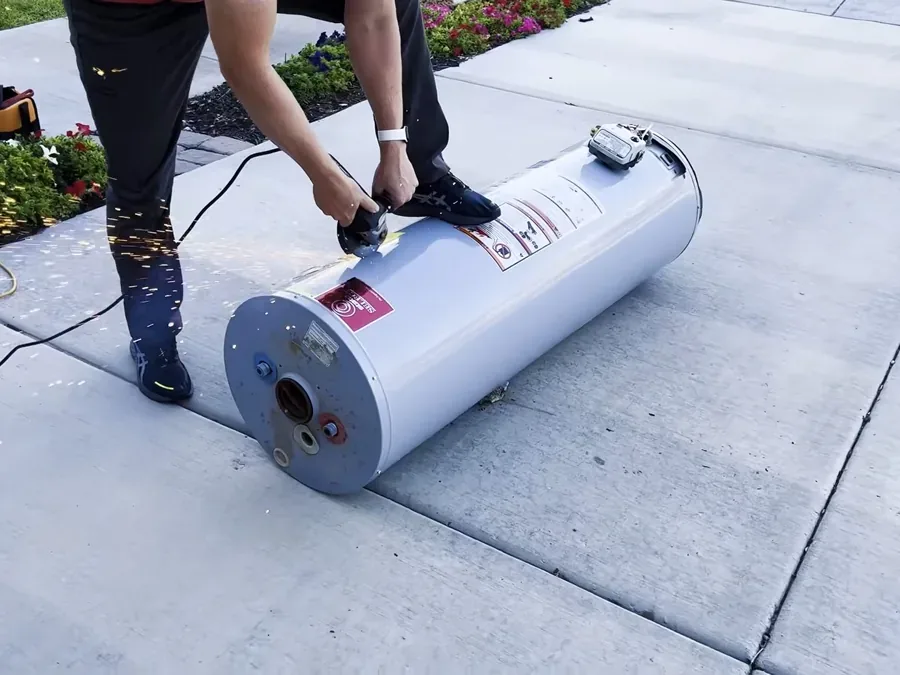
Appliance water heater leaks that start inside the tank cannot be patched. If the unit is old, consider replacement even if the first fault looks small. If you want to move to a different type, the tankless installation guide explains that option.
Local facts that matter for water heater calls
Two local points shape a water heater job: who supplies the gas and who files the permit. Each is sourced below, and each changes what you ask the plumber before work begins.
Gas service in Allentown
UGI Utilities supplies natural gas in Allentown and part of Bethlehem. A gas water heater problem that involves the gas supply, a smell or a meter should be reported to UGI as well as to the plumber.
Gas utility: UGI Utilities, Lehigh County service territory.
Permits for plumbing work
In this city the permit filing for plumbing work belongs to a licensed master plumber under code chapter 225. Ask whether your repair or replacement needs a permit, and who will file it.
Permit office: Allentown Bureau of Building Standards and Safety.
Water heater questions
Who fixes a water heater that stops heating?
A licensed and insured plumber can diagnose and repair a gas or electric tank heater, including thermostats, elements, igniters, thermocouples, valves and fittings. Call the dispatch line, say whether the unit is gas or electric and what it is doing, and ask what is available for your address.
Should I repair the water heater or replace it?
Repair makes sense when the problem is a single part and the tank is sound. Replacement is the better call when the tank itself leaks, when the unit is near the end of its life or when repairs are piling up. The plumber explains both so you can decide.
What can I check first when the water heater has no hot water?
For electric units, check the breaker. For gas units, check whether the pilot is lit and the gas valve is open. If those look right, or if you smell gas, stop and call. Do not take panels off or relight a pilot that keeps going out.
How often should a tank water heater be flushed?
Many manufacturers recommend flushing a tank periodically to remove sediment, and the interval depends on your model and your water. Check the manual and ask the plumber during a visit. A flush is simple when the drain valve works and difficult when sediment has hardened.
How long should a tank water heater last?
Tank water heaters generally last about a decade, with differences by model, water conditions and care. A unit that is older than that and starts to leak is usually replaced, since the tank cannot be repaired. The plumber can read the date code on the label.
Water heater leaking or not heating?
Call the dispatch line, say whether the unit is gas or electric and ask what is available for your address.
- Licensed and insured plumbers
- Same-day service when available
- 24/7 emergency dispatch