 Allentown PA
Allentown, PA and the Lehigh Valley
Water Softeners, Filters and Reverse Osmosis in Allentown, PA
A water softener removes the minerals that cause scale, and a filter removes things like taste, odor and sediment. People who need one are those who see scale on fixtures, spots on dishes or a taste they dislike. Call, describe what you notice, and a licensed and insured plumber will explain which equipment suits your home.
- Licensed and insured plumbers
- Same-day service when available
- 24/7 emergency dispatch
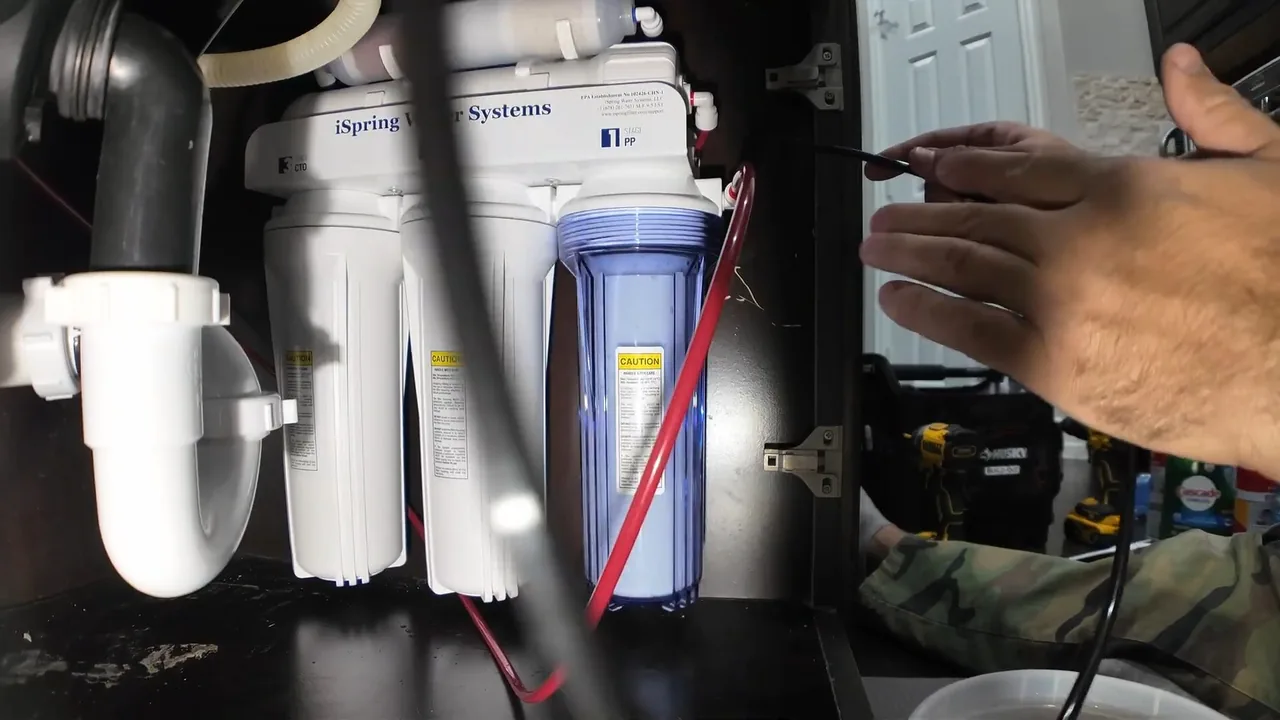
Under-sink and drinking water filters: a simple fix for taste and odor
An under-sink filter treats the water at one tap, usually the kitchen faucet. It sits in the cabinet, connects to the cold line and feeds a small separate faucet or the main one. Under sink water filter options include sediment, carbon and multi-stage cartridges, each aimed at a different problem.
Cartridges wear out and need changing on the maker's schedule. A filter that is never changed stops doing its job and can hold bacteria. The plumber sets the shutoff and the mounting so the next change is easy, and mentions the replacement interval so you can plan.
Write the install date on the housing or in your phone. A filter often looks fine from the outside, so the date is a better guide than appearance, and a note saves you from guessing months later.
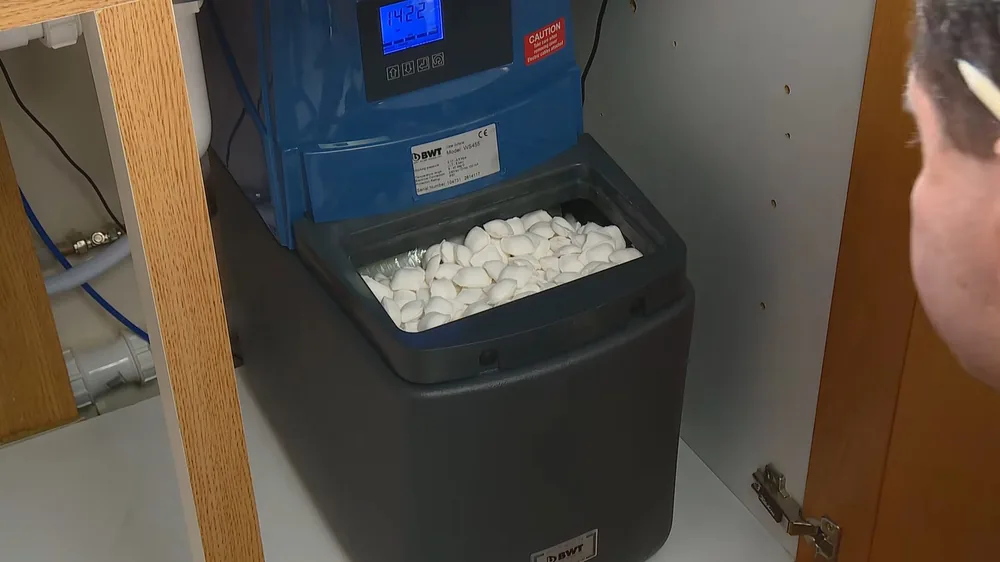
Water softener repair and service
A softener that has stopped working may have run out of salt, formed a salt bridge in the tank, lost power or developed a fault in the valve head. Hard water returning after weeks of soft water is the usual sign. Water softener services include checking the brine tank, cleaning the injector, testing the resin and verifying that the unit regenerates on schedule.
| Symptom | Likely cause | First step |
|---|---|---|
| Hard water has returned | No salt, a salt bridge or a missed regeneration | Check the brine tank and the settings |
| Salt level never drops | Salt bridge or a blocked injector | Break the bridge, clean the injector |
| Water in the brine tank is too high | Drain or float problem | Call for service |
| Unit runs constantly | Valve or timer fault | Call for service |
Softener maintenance is simple but needs to be done. Keep the brine tank stocked and clean it once in a while.
Hard water back after you refilled the salt? Call and describe what the unit shows.
Water softener not working? Call now
Describe the display and the symptom. The dispatcher tells you what is available for your address.
Softener salt, brine and regeneration: what the unit actually does
A softener holds resin beads that trap the minerals in hard water. When the beads are full, the unit flushes them with brine, a strong salt solution, and rinses. That cycle is regeneration. Salt is the supply that keeps it working, so a softener without salt gives hard water again.
Ask the plumber which type of salt your unit uses, and use the type the maker recommends. Water softener salt delivery, where a supplier offers it, saves lifting heavy bags down basement stairs.
The area has more than one water source. Bethlehem draws surface water, Whitehall Township Authority draws groundwater, and the Northampton Borough Municipal Authority draws from the Lehigh River and Spring Mill Reservoir. No official hardness figure for these systems was found for this page, so a test at your tap is the reliable way to know.
Sources: City of Bethlehem Water, Whitehall Township Authority and Northampton Borough Municipal Authority water pages.
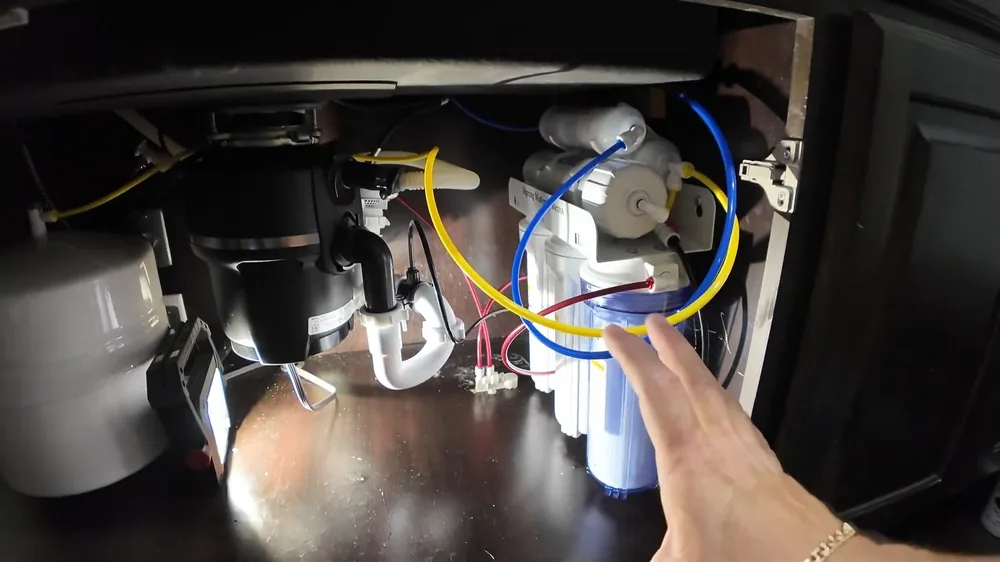
Reverse osmosis home systems: cleaner drinking water at one tap
A reverse osmosis system forces water through a membrane that blocks many dissolved solids. It usually includes pre-filters, the membrane, a storage tank and a separate faucet. A reverse osmosis home system is often placed under the kitchen sink for drinking and cooking water.
These systems waste some water as they run and need new filters and membranes at intervals. They also lower the mineral content, so some people prefer the taste and some do not. Ask the plumber to explain the maintenance and to place the storage tank where it can be reached.
The drain connection for the reject water is clamped to the sink drain above the trap, with an air gap to prevent backflow. If your sink has a disposal, the plumber also needs to plan the connection around it.
Water softener installation: what should I ask first?
Water softener install needs a place with a drain, a power outlet and access to the main water line. The plumber sets the unit, adds a bypass valve, connects the drain line with an air gap and fills the tank with salt. The unit is programmed and tested before the plumber leaves.
- Where will the unit sit and where does the drain go?
- Does the house have a soft water bypass for outdoor taps?
- What size unit fits the household?
- Who will service the unit later?
Pennsylvania has no statewide plumbing license, so ask the plumber to explain the permit and the warranty. The city has a licensed master plumber file permits for plumbing work, so ask whether yours needs one.
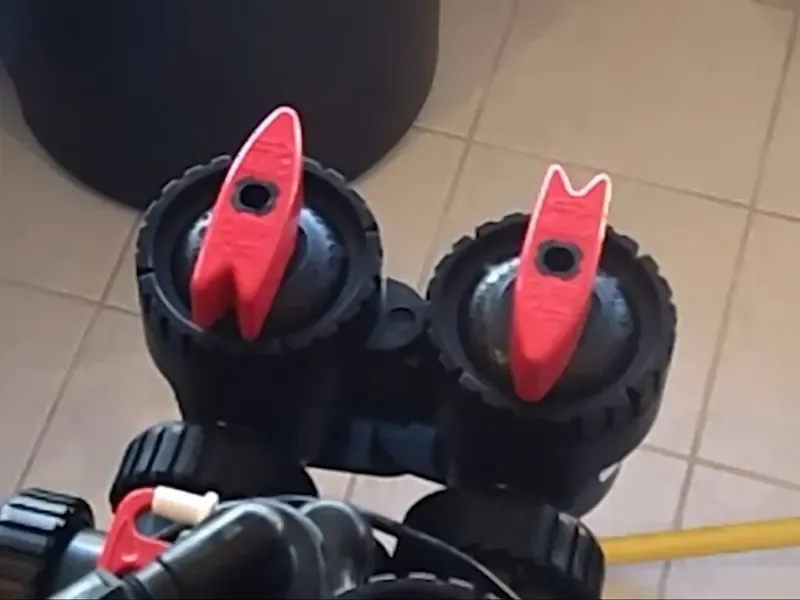
Want your water tested before you buy equipment?
Call and ask how testing works. The right system depends on what the test shows.
Whole-house water filtration systems
A whole-house filter treats the water where it enters the house, so every tap gets the same treatment. Sediment filters catch sand and rust, and carbon filters reduce chlorine taste and odor. Some homes use both in sequence, with a softener afterward.
The decision depends on what is in the water. Lead is a special case: Lehigh County Authority is replacing lead service lines under a long-term plan, and older houses may still have lead pipe. A filter certified for lead reduction can help at the tap, but it does not replace testing or a service line replacement. See the water line repair and replacement page for line questions.
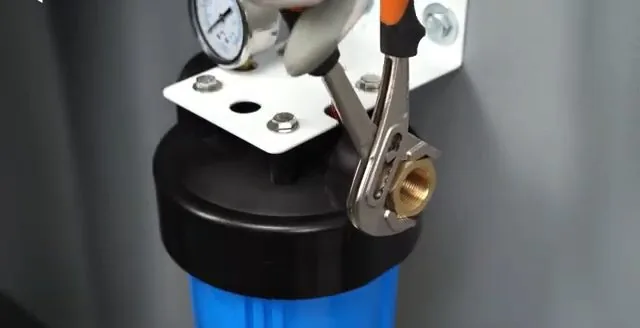
A whole-house filter sits on the main line after the shutoff, so all fixtures get treated water. The housing needs room to remove the cartridge, and a bypass valve lets you keep water on while a cartridge is changed.
Lead program background: Lehigh County Authority board materials from 2024.
Water softener and filter questions
What are the signs of hard water?
Common signs are white scale on faucets and kettles, soap that does not lather well, spots on dishes and a film on shower doors. A water test gives a clear reading, so ask the plumber about testing before choosing equipment.
Do I need a softener, a filter or both?
They do different jobs. A softener removes the minerals that cause scale. A filter removes taste, odor, sediment or specific contaminants. Which one you need depends on the problem you want to solve, which a test helps identify.
What does a reverse osmosis system do?
It pushes water through a fine membrane under the sink to reduce dissolved solids and many contaminants in drinking water. It usually supplies its own faucet and has a storage tank. Filters and membranes need periodic replacement.
How often does a softener need salt?
It depends on the size of the unit, the hardness of the water and how much water the house uses. Check the brine tank on a regular schedule and keep it stocked. Salt delivery is an option where available.
Is the water from my tap safe to drink?
Your water system publishes a yearly water quality report, and Lehigh County Authority, City of Bethlehem Water and others make theirs public. Read yours, and ask a plumber whether a filter makes sense for taste or a specific concern.
Looking at water treatment for your home?
Call the dispatch line, describe the problem and ask what is available for your address.
- Licensed and insured plumbers
- Same-day service when available
- 24/7 emergency dispatch