 Allentown PA
Allentown, PA and the Lehigh Valley
Emergency Sewer Line Repair and Replacement in Allentown, PA
Many homeowners assume a backed-up drain is a simple clog, and they reach for a plunger or a bottle of cleaner. When more than one drain acts up, or sewage comes up at the lowest fixture, the problem is usually the main line. Call the dispatch line, describe which drains are affected and let a licensed and insured plumber covering your neighborhood work out the next step.
- Licensed and insured plumbers
- Same-day service when available
- 24/7 emergency dispatch
Sewer repair: when is a clog really a damaged line?
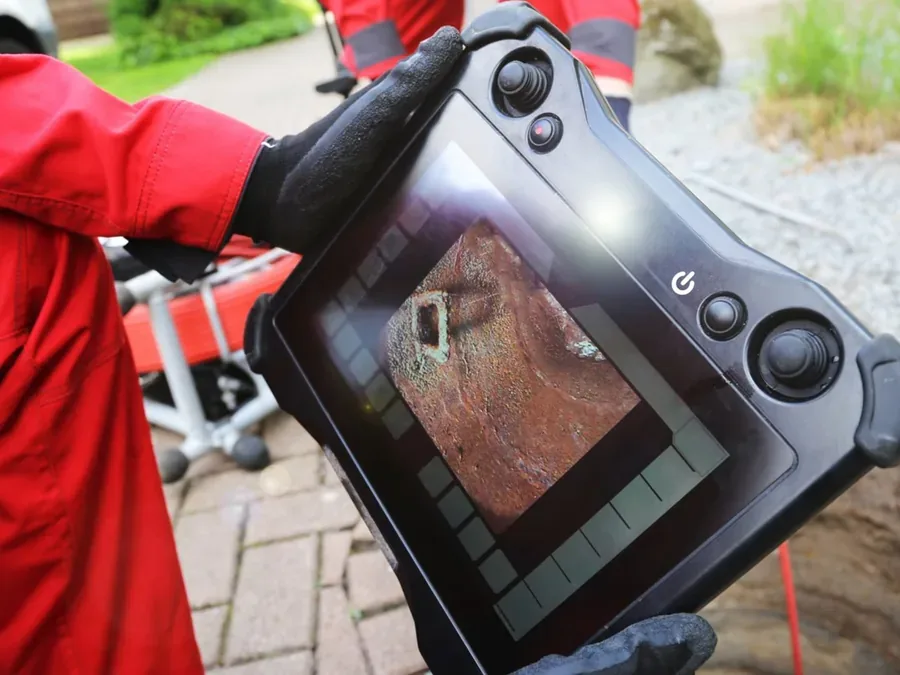
Sewer repair starts with a diagnosis. A clog that clears with cleaning and stays clear is a maintenance job. A clog that returns, or one that comes with a gurgle, a smell and slow drains in the lowest part of the house, may signal a broken, shifted or root-filled line. Sewer lateral repair addresses the pipe that carries waste from the house out to the connection, which is the part most exposed to age and movement.
The plumber begins by learning what the drains are doing, then gets a camera in the line. If the line is cracked, offset or collapsed, cleaning alone will not hold. Sewer system repair then depends on location, depth and pipe material, and the plumber explains the options plainly. Sewer line leak repair is part of the same work when the camera or a smoke or dye test shows waste escaping into the ground.
Drain cleaning and sewer service often arrive together, because many calls begin as a clog. If you are not sure which one you have, the clog clearing page covers the cleaning side in detail.
Trenchless, lining and pipe bursting: fixing the line without a trench
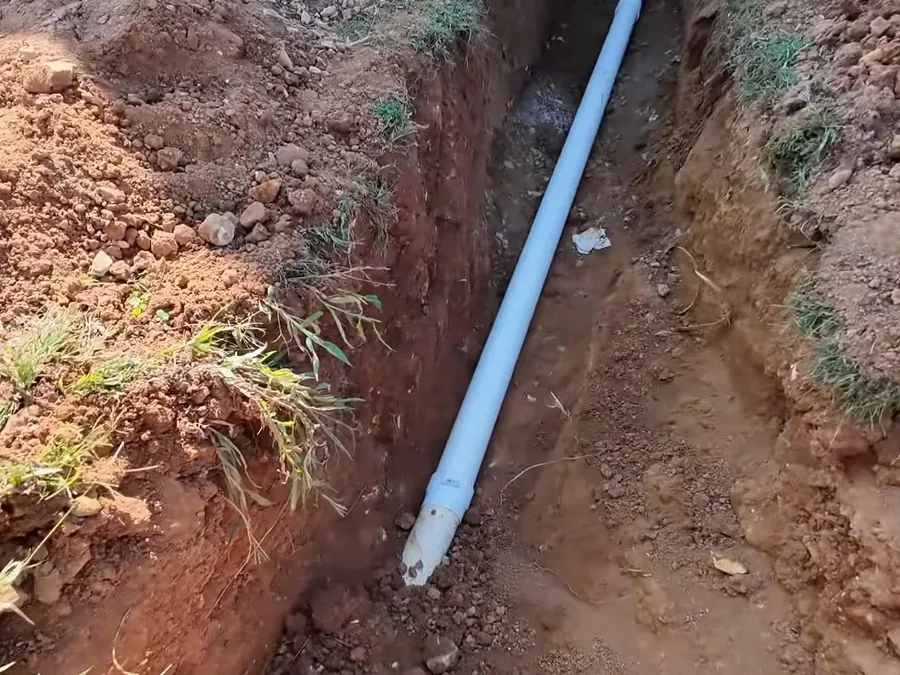
Trenchless sewer repair replaces or renews a line without digging its full length. The plumber digs small access pits at each end and works through them. Trenchless sewer line repair suits lines under driveways, patios, trees and finished landscaping, where an open trench would be costly to restore.
| Method | What happens | Fits when |
|---|---|---|
| Pipe lining (CIPP) | A resin-soaked liner is pulled into the old pipe and cured in place | The pipe is cracked or leaking but still has its shape |
| Pipe bursting | A bursting head breaks the old pipe while pulling in a new one | The old pipe has collapsed or has many failures |
| Open trench | The line is dug up and replaced section by section | Short runs, shallow lines, or lines in poor condition throughout |
The comparison of trenchless versus open-trench repair comes down to condition, access and disruption. Before pipe relining repair work the line is cleaned and inspected, since a liner needs a clear path. Lining does not fix a pipe that has collapsed or sags so badly that water pools. A plumber will say if a method does not suit your line and why.
Sewer line trouble? Call before it spreads
The dispatcher confirms what is available for your address and sends a plumber who can get a camera in the line.
Sewage rising in a floor drain or tub? Do not wait for it to stop on its own. Call and describe it.
Who owns the lateral: the homeowner or the city?
The lateral runs from the house to the public sewer. In some places the owner is responsible for all of it, and in others the municipality or authority takes the part under the street or the connection point. No official statement of lateral responsibility was found for Allentown, Bethlehem, Slatington or Northampton, so this page does not state who owns it. Confirm with your municipality or sewer authority before you plan a repair.
The sewer provider differs across the valley. Whitehall Township sewer service is handled by the Coplay-Whitehall Sewer Authority. Northampton Borough has owned its sewer system since 1987. Upper Milford Township, which includes Zionsville, receives water and sewer from Lehigh County Authority where service is available, and the township reports that on-lot sewage is overseen by its sewage enforcement officer. Your address determines who to call.
Local references: Whitehall Township sewer authority page, Northampton Borough, Upper Milford Township water and sewer page.
A plumber can scope the line and mark where a problem sits, which helps when you talk to the authority about a public-side section. Digging for a repair triggers the 811 rule, and a licensed master plumber has to be the one who applies for the Allentown permit.
Sewer backup, gurgling drains or a sewer smell?
A quick call gets a plumber dispatched and tells you what is available for your address now.
Sewer line replacement when repair is not enough
Sewer replacement becomes the right call when the line has collapsed, has multiple breaks or has failed more than once. Cast iron, clay and Orangeburg are common names in older sewers. Orangeburg is a fiber pipe that can deform, and clay joints can let roots in, so the plumber looks at the material on the camera before recommending anything.
Replacement can be done by open trench or by pipe bursting. The plumber marks the route, calls 811 for utility locates and arranges any permits. The new pipe is set at the correct slope, connected to the house and to the public sewer connection, and tested before backfill. Restoration of the yard or driveway is a separate scope, so ask what is included before work begins.
Sewer cleaning and rooter service
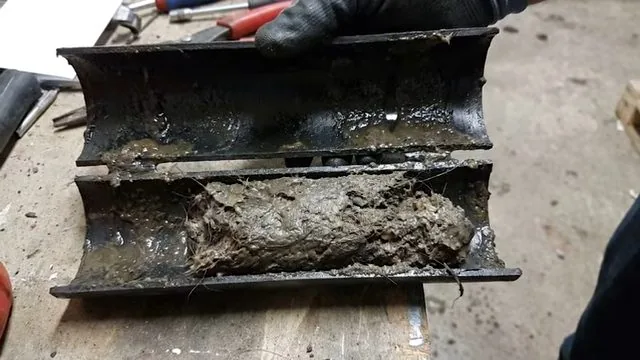
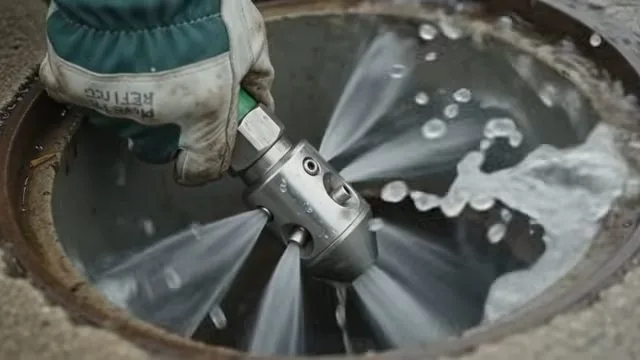
Main sewer line cleaning clears roots, grease and debris with a rooter machine or a water jet. A rooter cuts through roots and scale, and jetting washes the pipe wall. Sewer line cleaning and drain sewer cleaning are often the first step before a camera inspection, since the camera needs a clear view of the pipe. The sewage cleaning process runs in order: locate the access point, cut or wash the blockage, flush the line, then confirm flow with a camera or a water test. A cleanout makes this work easier, and homes without one may need a toilet pulled to reach the line.
A cleaned line is not a repaired line. If cleaning clears the blockage but a camera shows cracks or roots at a joint, the problem will return. The plumber can recommend a cleaning schedule if repair is not yet needed, and a repair if it is.
Camera inspection and sewer scope before you decide
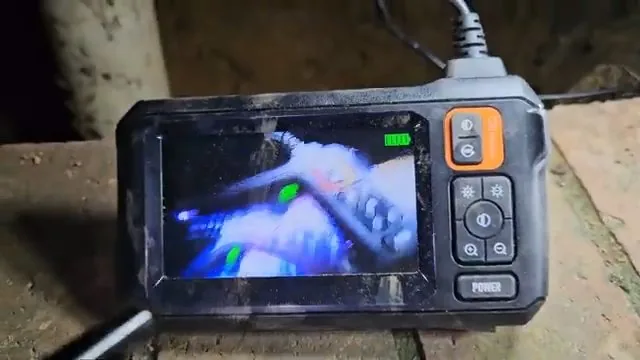
A sewer camera inspection shows the line from inside, with a recording and a distance marker. The plumber uses a locator to mark the line and the problem spots at the surface. Sewer leak detection can add dye or smoke where the camera is unclear. A scope before a home purchase or before a costly repair is a sensible way to choose between cleaning, lining and replacement with real information.
- Which drains back up and how often
- Whether a cleanout is accessible and where
- Age of the house and any prior sewer work
- Trees near the line and any visible sags in the yard
Share that information on the call and the visit is shorter. A sewer smell, a cleanout that overflows and a toilet that gurgles when the washer drains are all clues the plumber will want to hear about.
Sewer backup: what to do now and what can wait
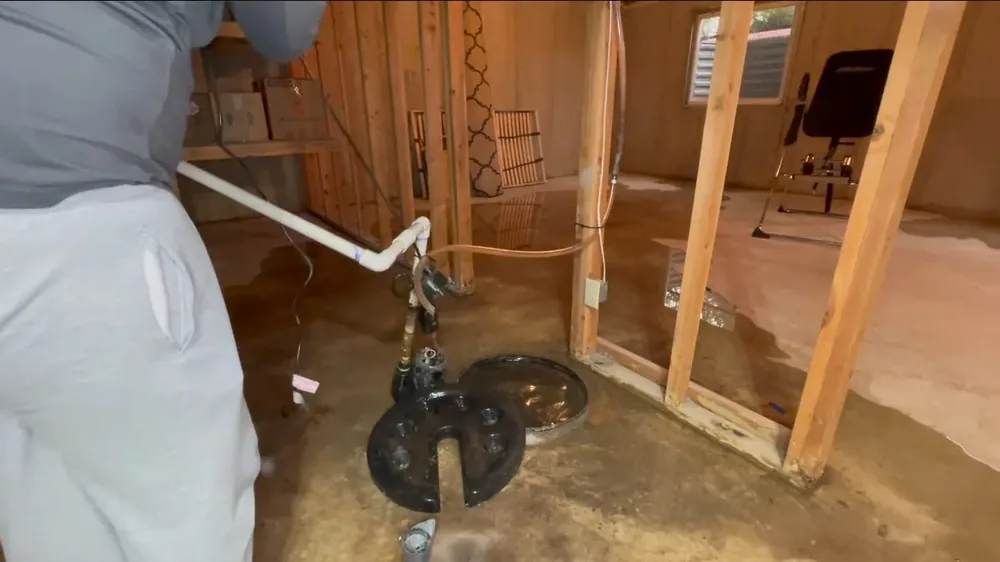
- Stop using water in the house to keep more waste from entering the line.
- Close the main water valve if sewage is still rising and call the dispatch line.
- Photograph the area and the affected drains before cleanup.
- Move belongings out of the wet area, but leave sewage cleanup to professionals.
What can wait: a slow single drain, a faint sewer smell in one room, a cleanout cap that needs replacing. What cannot wait: sewage in living space or multiple drains backing up together.
Sewer line questions
What should I do when sewage backs up into the house?
Stop using water at once, including toilets, sinks, laundry and dishwashers. Keep children and pets out of the affected area and do not walk through standing sewage barefoot. Then call the dispatch line and tell the dispatcher which drains are involved and how fast the level is rising.
Is a sewer backup an emergency or can it wait?
A backup that is spreading into living space is an emergency. A slow drain at one fixture can usually wait a day. When two or more drains back up together, treat it as a main line problem and call right away.
How is the sewer line inspected without digging?
A small camera on a flexible cable is fed into the line through a cleanout or a removed toilet. The plumber watches the live image, finds cracks, offsets, roots and sags, and marks the depth and distance of each problem. The recording helps you choose between cleaning, lining and replacement.
Does a sewer smell mean the line is broken?
Not always. A dry trap, a failed vent or a loose cleanout cap can cause a smell. A smell that grows, comes with slow drains or appears in the yard can point to a broken or leaking line, which a camera check can confirm.
How long does sewer line work take and who handles the permit?
Duration depends on the method and the length and depth of the line, and the plumber gives a timeline once the camera findings are in. In Allentown a licensed master plumber makes the permit application, so ask who will file it before work begins.
Is the sewer lateral my responsibility?
Responsibility for the lateral differs by municipality and authority, and no single rule fits every address. Confirm with your municipality or sewer authority which part of the line you own before you plan a repair or ask for an estimate.
Sewer backup in Allentown right now?
Call the dispatch line, say which drains are affected and ask what is available for your address today.
- Licensed and insured plumbers
- Same-day service when available
- 24/7 emergency dispatch