 Allentown PA
Allentown, PA and the Lehigh Valley
Emergency Leak Detection and Repair in Allentown, PA
Before you decide between repair and replacement, or between acting now and waiting a week, you need to know where the water is going. Emergency leak detection answers that question first. Call the dispatch line, describe what you see, and a licensed and insured plumber will confirm what can be done for your address today.
- Licensed and insured plumbers
- Same-day service when available
- 24/7 emergency dispatch
Is it a leak or just high water use?
Not every wet spot and not every high bill comes from a broken pipe. A running toilet, a long irrigation cycle or a houseguest can raise usage without any leak at all. The quickest way to sort one from the other is a meter test that takes about fifteen minutes and costs nothing but your attention.
- Turn off every faucet, appliance and ice maker so that nothing in the house is using water.
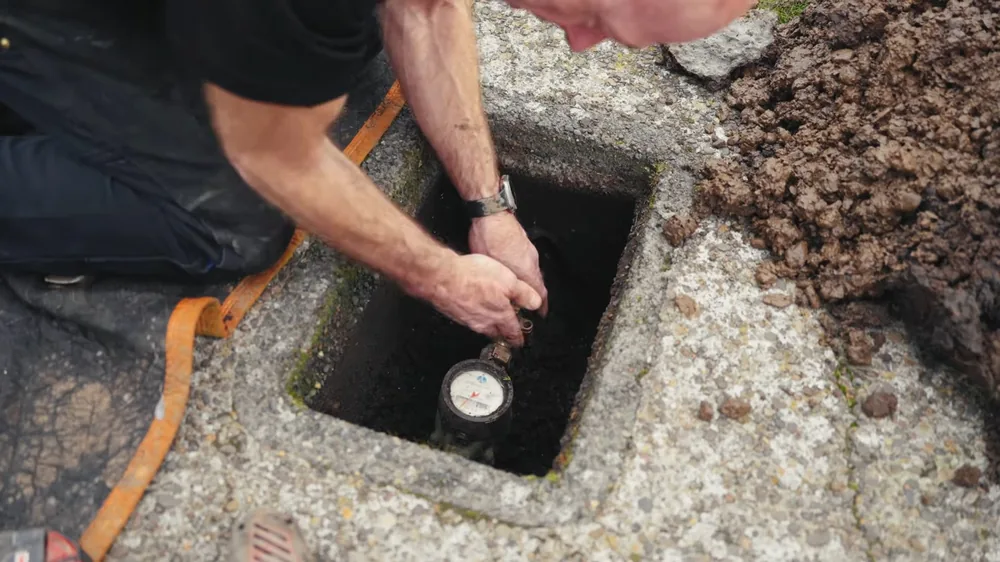
- Find the water meter, usually in the basement near the front wall, and note the dial or the small leak indicator.
- Wait ten to fifteen minutes without using any water, then read the meter again.
- If the dial moved or the indicator is spinning, water is escaping somewhere between the meter and a fixture.
A moving meter with everything off points to a leak in the supply side. If the meter stays still but a wall is wet, the water may be coming from a drain, a fixture or the roof. A plumber can separate those from a pressurized line. Either result is useful information to give the dispatcher.
Leak detection services for leaks you cannot see
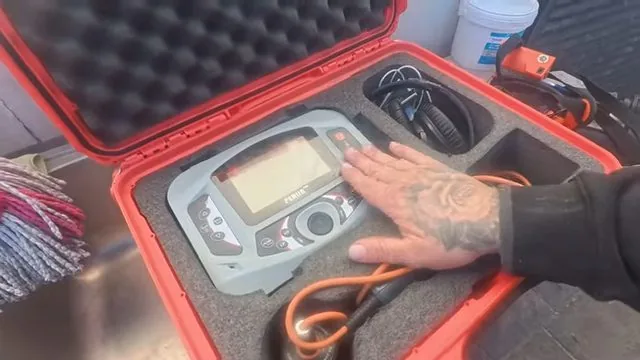
Plumbing leak detection finds a break without tearing out half a house. The plumber starts with a plumbing inspection and a pipe condition check, looking at the meter, the visible runs, the water heater, the fixtures and the pressure at a hose bib. That first pass often explains the symptom. When it does not, the work moves to instruments that locate a hidden leak behind a wall, under a floor or below the yard.
Hidden leak detection means matching the method to the pipe. Acoustic and electronic sensors listen for the sound water makes as it escapes under pressure. Thermal imaging and infrared leak detection show temperature differences on a wall or floor, which helps with hot water lines and with moisture spreading behind a ceiling. A plumber may also isolate a section and run a pressure test or a hydrostatic plumbing test to confirm which run is losing water. Tracer gas methods, including helium leak detection, are used on lines where sound is hard to hear.
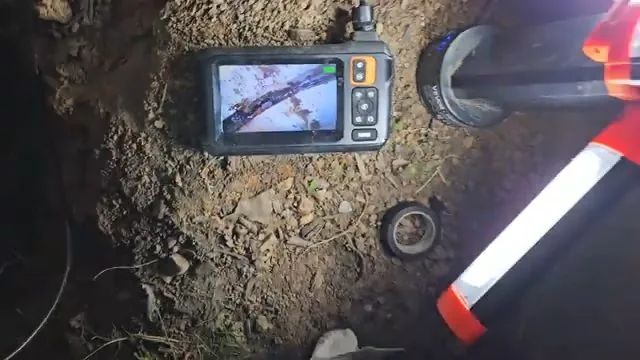
Underground leak detection follows the same logic outdoors. Wet ground, a patch of grass that stays green in a dry week and a meter that moves with the house shut off all suggest a service line problem. Locating the exact spot matters because a small, precise opening costs far less to restore than a long trench. Whole house leak detection is the term for working through the supply and drain systems in order, so the leak is located once and not guessed at twice.
What a detection visit produces
Residential leak detection ends with three things: precise leak location marked on the floor, wall or yard, leak location documentation with photos and notes, and a clear recommendation. Leak location services of this kind keep the opening small and give you something to show an insurer. Smart leak detection devices that watch flow at the main can warn you about the next leak. Advanced leak detection technology such as sonar and acoustic gear narrows the search for the first one.
Leak detection and shutoffs go together, because the plumber will identify the valve that isolates the leaking run. Inspect the relevant plumbing systems in order, supply lines first and drains second, so leaks found and fixed are not replaced by new ones. Plumbing maintenance and inspections can then be planned around what the findings show. Anything related to leak detection, such as a camera look at a drain or a sewer camera check before repairs, is added only when the first results call for it.
Which detection method finds what
| Method | What it finds | Typical use |
|---|---|---|
| Acoustic or electronic listening | The sound of pressurized water escaping | Slab and underground supply lines, pinholes in copper |
| Thermal or infrared imaging | Temperature differences from wet or hot-water leaks | Wall and ceiling leaks, hot water runs, wet insulation |
| Pressure or hydrostatic test | A pressure drop in an isolated section | Confirming which run is losing water before opening anything |
| Tracer gas | Gas escaping through a break | Lines too quiet for listening gear |
| Camera inspection | Cracks, joints and offsets inside a drain | Drain leaks, see the sewer line page |
No single method works for every leak, which is why a plumber carries more than one. The choice depends on the pipe material, how deep the line sits and whether the leak is on the pressure side or the drain side.
Leak behind a wall or ceiling? Call now
Describe where the water shows up and whether the meter is still moving. The dispatcher tells you what is available for your address.
Leak repair in Allentown, from a pinhole to a failed run
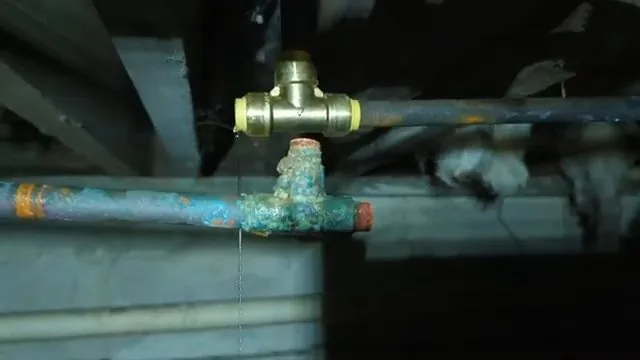
Leak repair begins once the break is located and confirmed. A pinhole in copper may take a short repair section, while a joint that has failed at a fitting may only need the fitting replaced. Corroded steel, brittle old supply lines and runs with several weak points are a different case. The plumber will say when patching one spot will only move the failure down the line. Water leak repair for plumbing systems goes better when the decision to replace a longer run is made while the pipe is already open.
Wall leak repair and ceiling leak repair have two parts: stopping the water and closing the opening. The plumber fixes the pipe and tests it under pressure. Patching drywall, paint and insulation falls to a finish trade, and wet materials that stay damp should be dried promptly. Where the water has already soaked the structure, the water damage removal and drying page explains what happens next.
A leak that keeps coming back usually has a second cause. Call and describe the history so the plumber can check the whole run.
Fixture leaks: toilets, faucets and showers
Most fixture leaks are small and fixable in one visit. A toilet that runs or leaks at the base, a faucet that drips at the handle and a tiled shower that leaks onto the floor below each have a different cause. A worn flapper or a failed wax ring is an inexpensive part, but a shower pan or a leaking valve behind tile means opening a wall. Details for each fixture are on the faucet, toilet and fixture repair page.
Why small leaks should not wait
Catch small leaks early and the repair stays small. Ignoring small leaks is how a drip becomes a stained ceiling, and the damage caused by ignoring leaks often appears far from the pipe. Water leaks causing structural damage do it slowly. Framing stays damp, insulation holds moisture, and humidity hides leaks by making a musty room feel normal. Structural damage from prolonged leaks can reach joists and subfloors before any stain shows. A hidden leak reducing pressure at a shower or faucet is another early clue.
Leaks and water losses also appear on the bill, which is why leak detection is risk management as much as repair. Handle small leaks early, and end the leak cycle of patching, drying and recurring by finding the true source. Major water leaks, and water leaks damaging property structure, should be reported at once so the main valve can be closed while the plumber is on the way. Structural damage from water leaks is the costly end of the same story.
Common signs of a leak and where to look
Common signs of a leak include a meter that moves, a musty smell, bubbling paint and a stain that grows after a shower. Warning signs of hidden leaks are quieter: low pressure, a warm floor and the sound of running water at night. Watch for hidden leaks near the water heater, under sinks and around the laundry. Inspect for leaks at every exposed joint, and inspect toilets for silent leaks by adding a few drops of food coloring to the tank and waiting fifteen minutes without flushing. Color in the bowl means the flapper is leaking.
Common leak locations are basements, crawlspaces, attics and wall cavities beside a bathroom. Leaky ceilings causing water stains usually point to a supply or drain line above, or to a roof problem. Leaky pipes causing hidden damage may reveal themselves only through paint or flooring. Suspected leaks in a slab, a wall or the yard each call for a different method, which the plumber chooses after the first questions.
Where leaks hide in Allentown homes
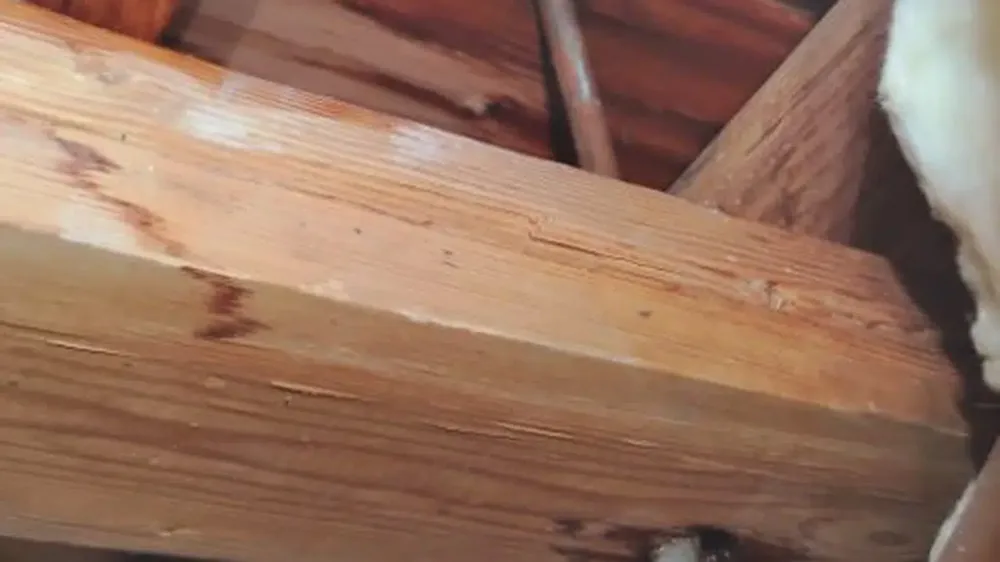
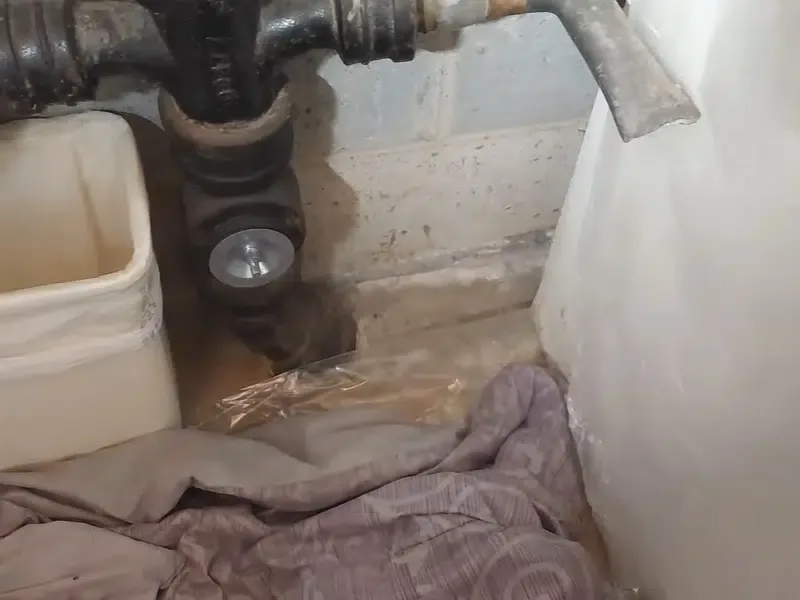
Leaks follow the layout of the house. In a basement they tend to appear at the main valve, the water heater, the laundry hookup and along the first run of pipe past the meter. In a crawlspace or under the house they show up as stained joists, damp insulation or a smell that grows after rain. In an attic, a leak may be a roof problem or a supply line, and the plumber can tell the two apart by pressure testing the line.
Slab homes hide supply lines under the floor, and a leak there may show as a warm spot, a rising bill or the sound of running water at night. That case has its own process, covered on the slab leak detection and repair page. Sprinkler and irrigation lines are a separate trade, and a plumber can only say whether the problem is on the house side of the main. A leak in a hose bib or a yard faucet is plumbing and is repaired as part of this service.
Three local facts that change a leak call
Older homes may have lead service lines
The Allentown water system belongs to Lehigh County Authority, and its 2024 lead program documents link houses from before 1960 with a greater chance of a lead service line. If a leak call involves the line between the street and the meter, ask what the pipe is made of before any section is replaced.
Source: Lehigh County Authority 2024 lead program packet, March 25 board meeting. Read the board document.
Permits go through a licensed master plumber
Under Allentown city code chapter 225, the permit application for plumbing work is made by a licensed master plumber through the Bureau of Building Standards and Safety. Ask the plumber which part of your repair needs a permit before work begins.
City reference: Bureau of Building Standards and Safety, 435 W. Hamilton St.
Call 811 before any yard digging
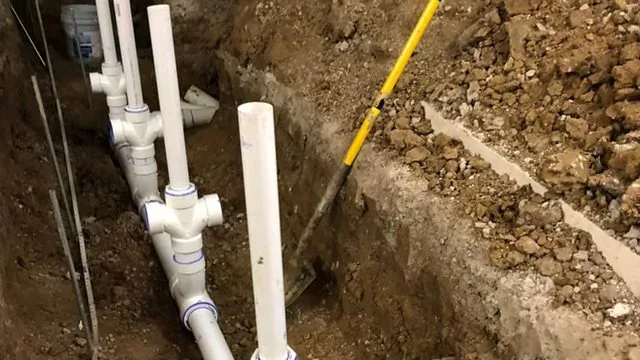
Pennsylvania requires a call to the one-call system at least three business days before digging, and homeowners are not charged for the request. An underground leak repair in the yard starts only after the marked lines are known.
PA One Call guidance from the state PUC pipeline safety office. PA One Call information.
What to do while you wait for the plumber
- Close the main water valve, then open one low faucet to relieve pressure.
- Keep power off at any outlet or fixture that is wet or below the leak.
- Place a bucket or towels under a drip and move belongings out of the wet area.
- Photograph the leak, the meter reading and any stained surfaces before cleanup.
- Do not cut into a wall or ceiling yourself, since the opening can release more water.
These steps limit damage while the plumber is on the way. They do not replace a repair. If a leak has been present for days, mention it, because long-term moisture can affect framing and insulation and may be relevant to an insurance claim.
Not sure where the water is coming from?
A call is the fastest way to narrow it down. Say what you see, what the meter does and whether the main valve stopped it.
Leak detection questions
How do I know if I have a hidden leak?
Look for a water meter that keeps moving when every fixture is off. Also watch for a bill that rose without a change in use, damp or warm floor spots, and a musty smell in a closet or basement corner. Any one of these is a reason to run the meter check on this page and call if the dial still turns.
What should I do first when I find water I cannot explain?
Close the main water valve, switch off power to the wet area if it is safe to reach the panel, and photograph the damage. Then call the dispatch line. The plumber needs to know where the water appears and whether closing the main stopped it.
Can a leak be repaired without opening the wall?
Sometimes. Detection narrows the break to a small area, so the opening is usually a patch and not a full demolition. Whether the wall must open depends on the pipe, the joint type and how far the failure has spread, and the plumber explains the options before any cutting starts.
Does a small toilet or faucet leak need an emergency visit?
Usually no. A fixture leak can wait for a scheduled visit once its supply valve is closed. Call at once if water is spreading, if a ceiling below is stained, or if the leak runs even with the fixture valve shut.
Need leak repair in Allentown tonight?
Dispatch is answered around the clock. Give the address, describe the leak and close the main valve if you can reach it.
- Licensed and insured plumbers
- Same-day service when available
- 24/7 emergency dispatch