 Allentown PA
Allentown, PA and the Lehigh Valley
Emergency Burst Pipe Repair and Repiping in Allentown, PA
Winters in the Lehigh Valley are cold, with many freezing days each year, and a large share of the housing is old. Together those two facts explain most burst pipe calls. When a line splits, the first job is stopping the water. The second is deciding whether the pipe can be patched or must come out.
- Licensed and insured plumbers
- Same-day service when available
- 24/7 emergency dispatch
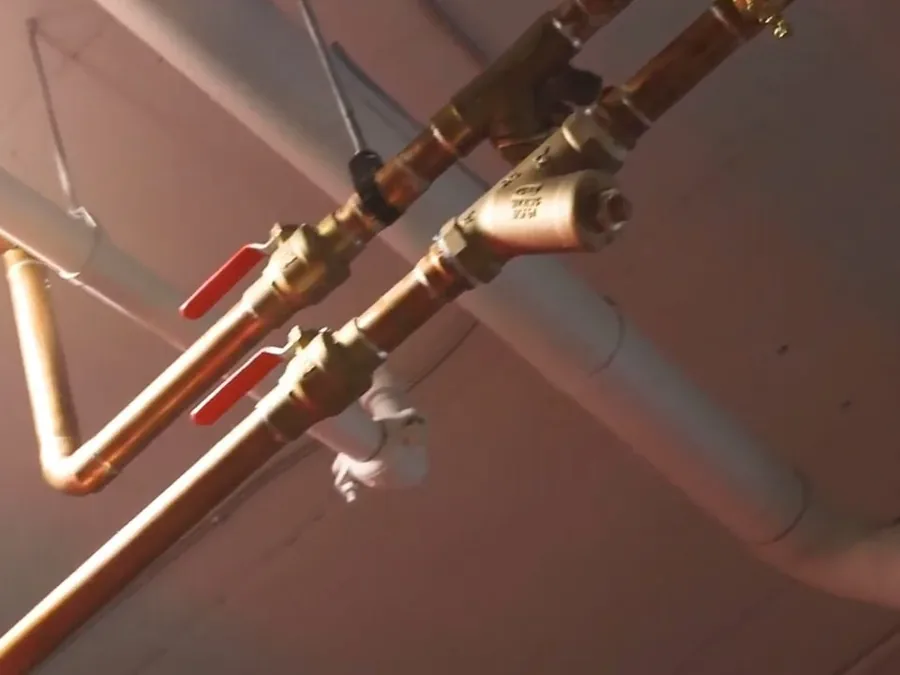
Frozen pipes in Allentown: thaw first, then check for damage
A frozen pipe is a warning, not yet a leak. Ice expands inside the pipe and can split it, but the water usually only escapes when the ice melts. That is why a burst is often found after the thaw. Pipes at exterior walls, in crawlspaces, in unheated garages and near basement windows freeze first.
If a faucet gives only a trickle in cold weather, open it and warm the pipe slowly. Look for frost on the pipe and for a wet spot after it thaws. A hair dryer or warm towels work; an open flame does not, because it can ignite framing and damage the pipe. Winter weather data for the area is third-party only, so this page does not quote temperatures. The practical rule is simple: during a hard freeze, keep the heat on and let a faucet drip.
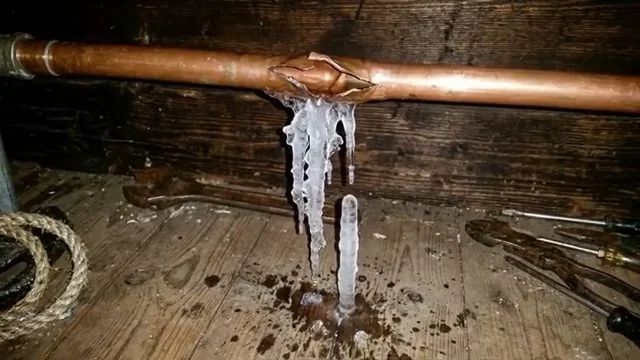
Burst pipes: what to do in the first ten minutes
When a pipe bursts, the quantity of water matters more than the cause. Close the main valve, then open the lowest faucet to drain what remains. Switch off power to the affected area if you can reach the panel without standing in water. Move belongings out of the way and photograph the damage.
- Close the main water valve and open the lowest faucet.
- Turn off power to wet areas only if it is safe to do so.
- Photograph the pipe, the water and the damage.
- Call the dispatch line and describe the location of the break.
The plumber cuts out the split section, installs new pipe and fittings, restores pressure and checks for leaks. Burst pipes in a ceiling may take drywall with them. Wet drywall and flooring come next, and water damage removal and drying describes that work. If the pipe burst from a freeze, check other exposed runs for cracks that have not leaked yet.
Water pouring from a split pipe right now? Close the main, then call and give the address.
Pipes frozen or leaking in a cold snap? Call now
Keep the heat on, let a faucet drip and call if a pipe splits. The dispatcher tells you what is available for your address.
Copper pipe: repair, repipe or leave it alone?
Copper is the most common supply pipe in houses of many ages and often lasts for decades. It does fail, usually as pinholes from the inside, as joint leaks, or as a split after freezing. A single repair on otherwise good copper is fine. Repeated pinholes in several spots point to a pipe that is wearing out from within.
The plumber looks at the wall inside a cut section, at the color of the pipe and at how many repairs it already has. A repipe in copper uses new copper or another approved material, with sound fittings and proper support. Where the water is aggressive, a different material may last longer, and the plumber explains the options and the reasons.
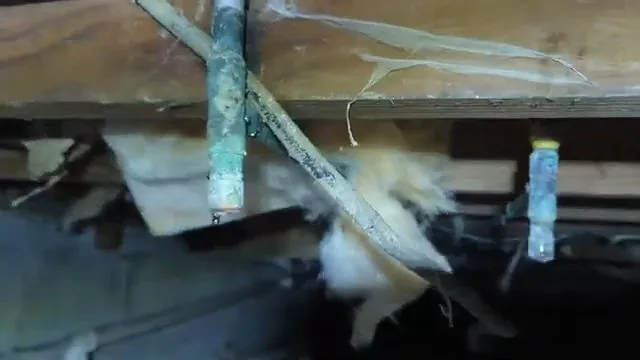
Pipe repair: fixing a burst pipe or a pinhole leak
A burst pipe fix has two parts: removing the damaged piece and replacing it with something that will hold. Splices, couplings and short sections work on sound pipe. When the surrounding pipe is brittle, a longer section is replaced so the repair does not move the break a few inches down the line.
Pinhole leaks deserve the same attention. A single pinhole in a run that is otherwise clean can be repaired in place. A cluster of pinholes, or a second one within a year, is better handled by replacing that run. Emergency pipe repair covers the immediate leak, and the plumber tells you plainly if more work is coming.
For leaks you cannot see, the leak detection overview covers locating them. For leaks under a concrete floor, see the under-floor leak page.
Pipe burst or pipes frozen? Call now
The dispatch line is open around the clock. Close the main valve first, then call and describe where the water is.
Whole-house repiping: when replacing everything makes sense
Whole-house repiping replaces the supply piping through the house. It is a larger job, and it is usually chosen when repair after repair has not held. Reasons include a pipe material known for failure, widespread pinholes, discolored water, weak pressure from corroded pipe and a house where walls will be opened anyway.
The plumber opens small access holes, runs the new lines, reconnects fixtures and tests the system under pressure. Patching drywall and paint is a finish trade. A repipe is also a good moment to learn what the line from the street is made of, since the water authority links pre-1960 housing with a higher chance of lead service lines.
LCA lead program documents, 2024.
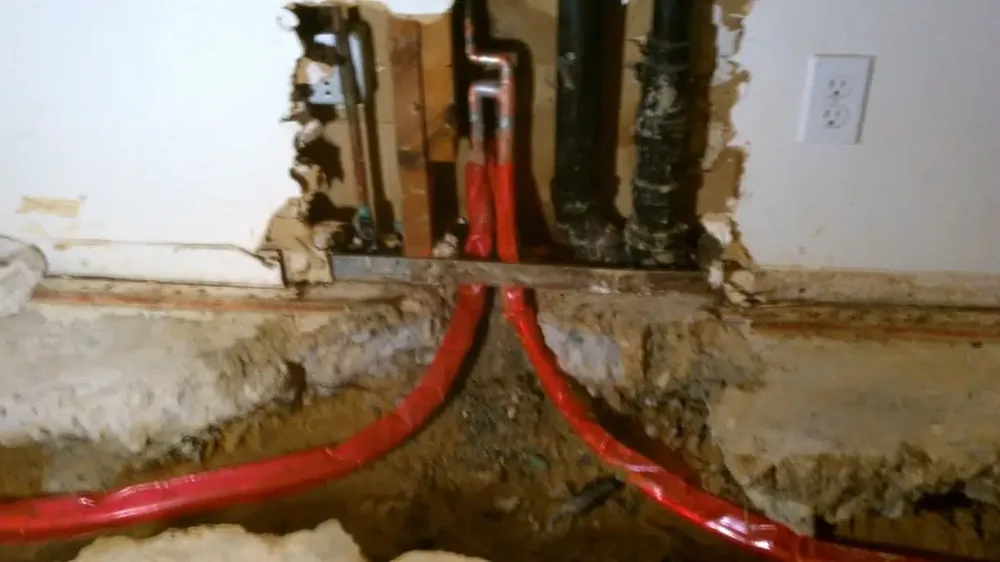
Pipe replacement by material: galvanized, polybutylene, PEX and others
Older houses can contain galvanized steel, which rusts from the inside and narrows over time, so water pressure falls and the water may turn brown. Polybutylene, used in some homes in a past era, has a record of failing at fittings. Cast iron is common for drains, while PVC and CPVC are used for drains and supply lines. PEX is a flexible plastic widely used for new supply runs.
| Material | Typical problem | Typical answer |
|---|---|---|
| Galvanized steel | Internal rust, low pressure, brown water | Replace the run, often the whole system |
| Copper | Pinholes, joint leaks, freeze splits | Repair sound runs, repipe worn ones |
| Polybutylene | Failure at fittings | Plan replacement with a plumber |
| Cast iron drain | Scale, cracks, leaks | Camera, then repair or replace |
| PEX, PVC, CPVC | Few; damage or poor fittings | Repair or replace sections |
Under-slab and underground pipe is harder to reach. Rerouting through walls or an attic is often less disruptive than breaking the floor. Pipe replacement of this kind starts with a look at the material, so ask the plumber what is behind your walls before choosing a method.
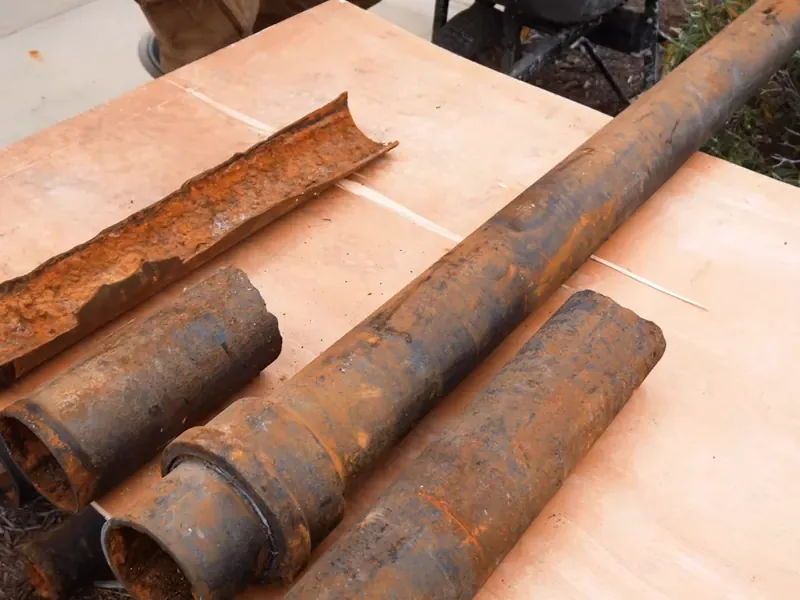
Leaky and burst pipes: signs, causes and the repair process
Broken, leaking pipes announce themselves with stains, a musty smell, falling pressure or the sound of running water. Old pipes prone to leaks wear from the inside, and premature wear on plumbing components, such as fittings and valves, can start leaks long before the pipe itself fails. Recent pipe repairs in the same house are a clue: a second or third repair on one run suggests the rest of it is close behind.
The burst and broken pipe repair process runs in a fixed order. The plumber stops the water, locates the break, cuts out the damaged section, installs new pipe and fittings and tests under pressure. Residential burst pipe repairs after a deep freeze often involve more than one split, so the plumber checks every exposed run. Residential pipe leak detection comes first when the leak is hidden, and the leak page explains the methods.
To request pipe repair service, call the dispatch line and say where the water is. Pipe installation and repair of new runs may use PEX, copper or another approved material, and pipe installation as part of repiping follows the same testing steps. Pipes, fixtures and installation work can be combined into one visit when the plumber is already in the wall. Leaky pipe repair of a single fitting is usually quick, while a longer run is planned.
Choosing between repair and repiping
The decision usually turns on three things: how many leaks you have had, what the pipe looks like inside and how much of the house is affected. One burst from a freeze on sound pipe is a repair. Several pinholes in different rooms, rusty water or weak flow throughout points toward replacing the system. Ask the plumber to show you a cut section, since seeing the wall of the pipe makes the choice much easier.
Timing matters too. Planned repiping lets you choose the season and the schedule, while an emergency repipe after a failure is done on the plumber's earliest opening. If you suspect the pipes are near the end of their life, a scheduled assessment is a better start than waiting for a burst.
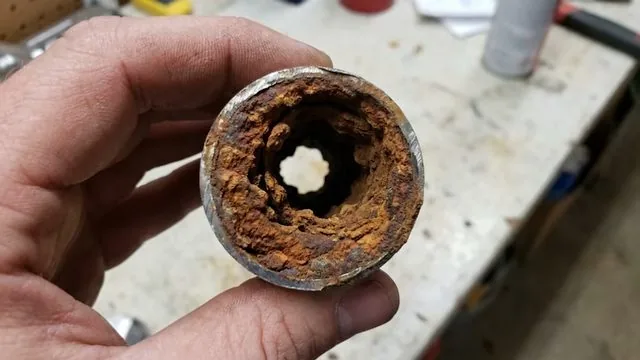
Repiping and burst pipe questions
What should I do first when a pipe bursts?
Close the main water valve, open a faucet at the lowest point to drain the line, and switch off power to wet areas if it is safe. Then call the dispatch line. Photograph the damage before cleanup, since you may need it for an insurance claim.
How do I thaw a frozen pipe safely?
Open the faucet, then warm the pipe gently with a hair dryer or warm towels, working from the faucet back toward the frozen section. Never use an open flame. If you cannot find the frozen spot, or the pipe has already split, close the main and call.
Is repiping the whole house ever necessary?
It becomes the sensible choice when leaks keep appearing in different spots, when the pipe material is known to fail, or when water quality and pressure are poor throughout. A plumber can show you the condition of the pipe before recommending anything.
What are pinhole leaks and what causes them?
Pinholes are tiny leaks that develop when pipe wall thins from the inside, often from corrosion. One pinhole in old copper or steel is often a sign that other spots are close behind, which is why the plumber looks at the whole run.
How long does a whole-house repipe take?
Duration depends on the size of the house, the access to walls and ceilings and the material chosen. The plumber gives a schedule after seeing the pipes, and the dispatcher can explain what is available for your address.
Burst pipe in Allentown right now?
Close the main, then call the dispatch line and tell the dispatcher where the water is coming from.
- Licensed and insured plumbers
- Same-day service when available
- 24/7 emergency dispatch